Content Is Not King. Connection Is In 2026. (Yes, I Said It)

The controversial truth about why connection beats content in the attention economy
Alright, let’s talk about the elephant in the blogging room. Every guru, every course, every “build your empire” charlatan keeps screaming the same tired mantra:
“Content is king! Publish daily! More content equals more success!”
Content is not king. There, I said it.
Connection is king. And if that statement makes you want to throw your laptop across the room, good – we’re about to have an honest conversation about what actually builds successful blogs in 2026.
I figured this out when I was churning out blog posts like a content factory on steroids, wondering why my “amazing” posts were getting three likes and a spam comment about cryptocurrency.
Meanwhile, my friend Diane was posting once a week and building a six-figure business because she actually gave a shit about her readers.
Plot twist: She had 1/10th the content I did, but 10x the engagement.
Qué interesante, right?
My Content Creation Addiction (Nearly Killed My Blog)

The Dark Days of Content Quantity Obsession
Picture this: It’s 2019, I’m fresh into my blogging journey, and I’m following every piece of advice from every blogging “expert” on the internet.
Gary Vaynerchuk says to document everything. Neil Patel says to publish daily. Some random guru with a Lamborghini in his LinkedIn profile says, “Content volume is everything.”
So what did I do? I became a content-creating machine.
Monday: “5 Creator Desk Aesthetic Ideas That Actually Boost Focus”
Tuesday: “Exciting Sources Where New Blogs Get Traffic From (Tips)”
Wednesday: “Heartbreaks & Hard Truths About Blogging Journey”
Thursday: “Blogging is Evolving Into Something Badass (Don’t Miss Out)”
Friday: “Register Your Domain Separately from Hosting: Brilliant Move!”
Seven posts a week. Every single week. For six months straight.
You know what happened? Jack shit.
My analytics looked like a flatline at a hospital. 23 monthly visitors (half of them were probably me checking if the site was still working).
Zero comments that weren’t spam. My mom stopped reading because she got bored.
I was producing more content than some major publications, but I had the engagement of a dead houseplant.
The Moment of Brutal Honesty
One Tuesday evening, Diane called me for our weekly catch-up. She’s brutally honest – it’s why I love her and why she terrifies my ego.
“Mia, I tried to read your blog yesterday.” “Tried?”
“Yeah, I made it through half a post before I got distracted by my grocery list. And my grocery list is just ‘bananas’ and ‘wine.'”
Ouch. But she wasn’t done.
“Your writing feels like… like you’re trying to be every other blogger instead of being you. Where’s the Mia who spent three hours explaining why pineapple on pizza is a war crime? Where’s the person who made me laugh so hard I snorted wine through my nose?”
That hit harder than my hangover after my 30th birthday party. “Dirty Thirty”
The Great Content Lie: Why More Doesn’t Mean Better

1. The Hamster Wheel of Content Creation
Here’s what the content-is-king crowd doesn’t tell you: creating endless content without purpose is like running on a hamster wheel.
Lots of motion, zero progress.
I was so focused on feeding the content beast that I forgot why I started blogging in the first place – to actually help people and share honest experiences about the blogging world.
My content calendar looked impressive:
- 365 blog post ideas mapped out
- Social media posts are scheduled 3 months in advance
- Email sequences are automated for every possible scenario
- Pinterest pins are designed in 47 different color schemes
But my actual connection with readers? Non-existent.
2. The Algorithm Trap
Social media platforms and SEO “experts” have trained us to believe that consistent posting equals success.
But here’s the dirty little secret: algorithms don’t buy your products, subscribe to your newsletters, or recommend you to friends.
People do.
And people don’t connect with content factories. They connect with humans who share real stories, admit their mistakes, and provide genuine value – even if it’s only once a week.
3. The Content Saturation Problem
Let’s do some math that’ll make you question everything:
- WordPress users publish 70 million new posts every month
- YouTube creators upload 500+ hours of video every minute
- There are 500-600 million blogs on the internet right now
Your readers aren’t suffering from a lack of content. They’re drowning in it.
Adding more content to this ocean is like adding more water to a flood. It doesn’t help anyone – it just makes the problem worse.
The Connection Revolution: What Moves the Needle

What I Mean by “Connection”
Before you roll your eyes and think I’m about to go all touchy-feely on you, let me define what I mean by connection in the blogging world:
Connection is when your reader feels like they know you personally after reading your content.
It’s when they think, “Holy shit, this person gets me,” instead of “This is useful information I’ll forget in 20 minutes.”
Connection is:
- Sharing your actual struggles, not just your victories
- Admitting when you don’t know something
- Using your real voice, not some corporate-approved blogger-speak
- Caring more about helping one person deeply than impressing a thousand people superficially
The Diane Success Story (And Why It Made Me Rethink Everything)
Remember Diane, my friend who was posting once a week while I was churning out daily content?
Let me tell you what she was actually doing while I was busy being a content hamster.
Diane’s “Strategy” (If You Can Call It That):
- She posted one in-depth article every Thursday
- Spent 2-3 hours responding to every single comment personally
- Sent weekly emails that felt like letters to a friend
- Asked her readers what they actually wanted to learn about
- Shared behind-the-scenes stories from her business journey
Her Results After 6 Months:
- 15,000 monthly blog visitors (vs. my 23)
- 45% email open rate (vs. my 8%)
- $3,000/month in affiliate income (vs. my $0)
- Brands reaching out to HER for partnerships
But here’s the juicy part – she was spending LESS time on content creation than I was.
Way less. While I was burning myself out writing 7 posts a week, she was building actual relationships with her audience.
Maldita sea, I felt stupid.
The Day Everything Changed
It was a rainy Friday afternoon in November 2019. I was sitting in my studio apartment, staring at my content calendar, feeling like a fraud. I had enough blog post ideas to last until rapture, but zero enthusiasm for writing any of them.
That’s when I decided to try something radical: I deleted my entire content calendar.
All of it. 365 perfectly planned posts, gone.
Instead, I wrote one post. Just one. About how I was feeling burnt out, overwhelmed, and honestly, pretty lost in the blogging world. I called it “Why I’m Taking a Break from Blogging Advice (Including My Own).”
It was raw, honest, and completely off-brand from my usual “here’s how to optimize your meta descriptions” content.
I published it and went to bed, expecting maybe my usual 3 likes and a crypto spam comment.
I woke up to 47 comments.
Forty-seven real, human, thoughtful comments from people saying things like:
- “Thank you for being honest about this.”
- “I thought I was the only one feeling this way.”
- “This is exactly what I needed to read today.”
That one vulnerable post got more engagement than my previous 20 “optimized” posts combined.
How to Build Connection (Without Being Weird About It)
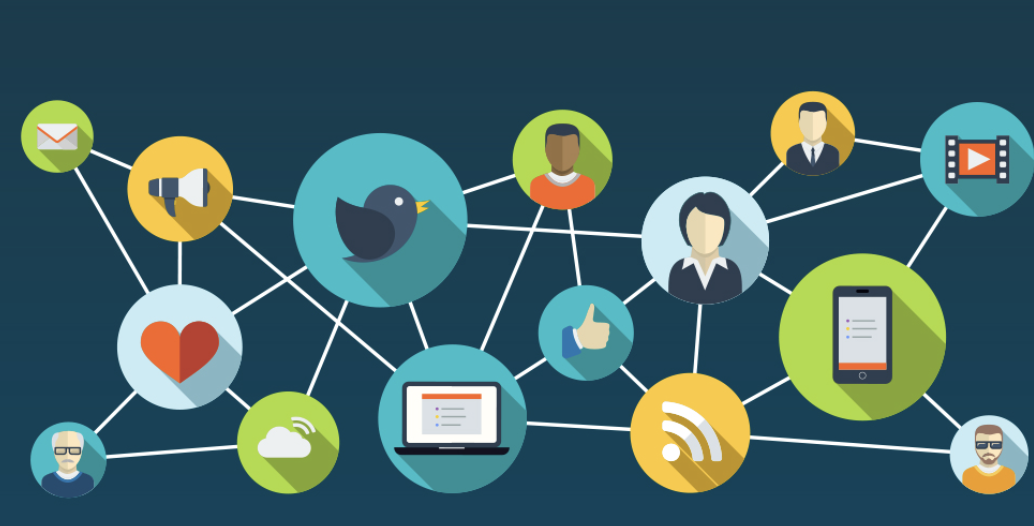
Strategy #1: The Personal Story Method
Stop writing like a Wikipedia page and start writing like you’re talking to a friend over coffee (or wine, whatever).
Instead of: “Email marketing is an effective strategy for audience engagement.”
Try: “Last Thursday, I sent an email to my list and got three replies telling me they were going through divorces. That’s when I realized my newsletter had become their weekly therapy session – and honestly, I was okay with that.”
See the difference? One is information. The other is connection.
Strategy #2: The Vulnerable Share Technique
This doesn’t mean oversharing about your personal life (nobody needs to know about your digestive issues). It means being honest about your professional struggles and learning process.
Some of my most popular posts:
- “The Time I Lost $500 on a Scam SEO Tool”
- “Why I Cried Over a Blog Comment (And What It Taught Me)”
- “My First Month Freelancing Made Me $37 and Question Everything”
People don’t connect with success stories. They connect with struggle stories that end in growth.
Strategy #3: The Anti-Guru Approach
Stop pretending you have all the answers. Start admitting when you’re figuring shit out alongside your readers.
Guru approach: “Here’s the proven system that will guarantee your success!”
Connection approach: “Here’s what I’m trying this month and why it might completely backfire.”
Guess which one builds more trust? Exactly.
Strategy #4: The Comment Section Revolution
Your comment section isn’t a vanity metric. It’s your living room where you invite people to hang out and chat.
I spend 30 minutes every day responding to comments like they’re messages from friends:
- Ask follow-up questions
- Share additional insights
- Admit when commenters teach me something new
- Remember details about regular commenters’ situations
Juan, my successful blogger friend, once told me, “I treat my comment section like a dinner party. I’m the host, and my job is to make everyone feel welcome and heard.”
Strategy #5: The Email Intimacy Factor
Your email list should feel like a group of friends who opted into your random thoughts and occasional wisdom.
My email approach:
- Write subject lines that sound like text messages to friends
- Share behind-the-scenes moments from my week
- Ask questions and actually read the replies
- Send emails even when I don’t have anything to sell
One of my most forwarded emails was titled “Why I Bought a $300 Plant and What It Taught Me About Blogging.”
It had nothing to do with SEO or content marketing, but everything to do with connecting with people who also make questionable financial decisions.
📊 The Data That Proves Connection Wins

My Before and After Stats
Content-King Era (7 posts/week for 6 months):
- Monthly visitors: 23 (and that includes my mom)
- Email subscribers: 12 (mostly bots)
- Comments per post: 0.3 (spam doesn’t count)
- Revenue: $0
- Burnout level: Maximum
Connection-First Era (1-2 posts/week for 6 months):
- Monthly visitors: 10,500
- Email subscribers: 1,247 (real humans who actually open emails)
- Comments per post: 15-30 genuine conversations
- Revenue: $2,400/month in affiliate income
- Burnout level: Sustainable
The math is pretty fucking clear, isn’t it?
Industry Examples That Prove the Point
Tim Ferriss: Posts maybe once a month on his blog, but each post gets thousands of comments and shares because he focuses on deep, personal content.
Seth Godin: Daily posts that are usually under 200 words, but they’re so connected to his unique perspective that people quote them for years.
Marie Forleo: Publishes one video per week, but spends enormous time and energy making each one feel personal and conversational.
Look, I am not trying to compare myself or tell to, but none of these successful creators is playing the content volume game. They’re playing the connection game.
Practices for Building Connection (Not Just Content)
1. Conversation Starters That Actually Work
Instead of: “What do you think about this topic?”
Try: “What’s the dumbest mistake you’ve made with [specific topic]? Because I just did something that’ll make you feel better about your choices.”
Instead of: “Let me know in the comments!”
Try: “Seriously, am I the only one who struggles with this, or are we all just pretending we have our shit together?”
2. Email Subject Lines That Build Intimacy
Generic: “5 Tips for Better Productivity”
Connection-focused: “Why I productivity-hacked myself into a mental breakdown”
Generic: “This Week’s Best Marketing Articles”
Connection-focused: “The marketing advice that made me want to quit the internet”
3. Social Media That Doesn’t Suck Your Soul
Stop posting inspirational quotes over sunset photos.
Try posting:
- Screenshots of funny DMs you receive
- Behind-the-scenes moments from your work day
- Honest reactions to industry drama
- Questions about your readers’ actual problems
The Connection Content Framework

Step 1: Start with Your Real Experience
Every piece of content should answer: “What actually happened to me that relates to this topic?”
Not what you learned from a course or read in another blog post. What YOU experienced, struggled with, or figured out.
Step 2: Find the Human Element
Ask yourself: “What part of this story will make someone feel less alone?”
That’s your connection hook. Lead with that.
Step 3: Provide Value Through Vulnerability
Share the lesson, but don’t skip the messiness of learning it.
Content-focused approach: “Here are 5 SEO techniques that work.”
Connection-focused approach: “Here are 5 SEO techniques I learned after my website disappeared like a digital ghost and I had to rebuild everything from scratch while crying into my wine glass.”
Step 4: Invite Conversation, Not Consumption
End every piece of content with a question or invitation that requires a personal response.
Weak: “What SEO techniques do you use?”
Strong: “What’s the dumbest SEO mistake you’ve made? Mine involved thinking I could ignore my domain renewal forever…”
Common Connection Killers (And How to Avoid Them)
Killer #1: The Perfect Person Syndrome
Stop pretending you have your life figured out. Your audience doesn’t need another guru – they need a guide who’s still on the journey.
Perfect person content: “How I Built a 6-Figure Blog in 6 Months”
Real person content: “How I Built a 6-Figure Blog While Making Every Mistake Possible (And You Can Too)”
Killer #2: The Generic Advice Trap
If your content could be written by anyone in your niche, it’s not building a connection.
Generic: “Social media is important for bloggers.”
Specific: “I posted the same inspirational quote as 47,000 other people and got 2 likes. Here’s what I learned about standing out in the algorithm apocalypse.”
Killer #3: The Sales Pitch Disguise
Don’t disguise sales pitches as helpful content. Your audience can smell bullshit from three blog posts away.
Be upfront: “I’m recommending this tool because it saved my ass, and yes, I get a commission if you buy it. Here’s exactly how it saved my ass…”
Killer #4: The Echo Chamber Effect
Stop writing for other bloggers and marketers. Write for the people who actually need your help.
Ask yourself: “Would someone outside my industry understand and care about this?”
The Uncomfortable Truth About Building Connection

It’s Harder Than Creating Content
Creating content is easy. You can batch-write 20 blog posts in a weekend following templates and formulas.
Building a connection requires showing up consistently as yourself, even when you don’t feel like it.
Even when you’re having a shit week.
Even when you’d rather hide behind generic advice.
It’s Slower Than Content Volume
You won’t see results immediately. Connection builds over time, like a friendship. It’s not a growth hack – it’s a relationship.
It Requires Actual Personality
If you’re trying to appeal to everyone, you’ll connect with no one. Your personality will turn some people off.
Good. Those aren’t your people anyway.
It’s Scarier Than Generic Advice
Sharing generic tips feels safe. Sharing your real experiences and opinions feels risky.
But that risk is where the magic happens.
📈 Measuring Connection (It’s Not What You Think)
Vanity Metrics vs. Connection Metrics
Vanity Metrics:
- Page views
- Social media followers
- Number of posts published
Connection Metrics:
- Comment depth and quality
- Email reply rates
- Repeat visitors
- Reader-generated content
- Personal messages and DMs
The Real Success Indicators
- People quoting your content in their own conversations
- Readers are sending your posts to friends
- Getting invited to speak at events because of your unique perspective
- Other creators are reaching out to collaborate
- Building a waiting list for your services without advertising
The Ultimate Connection Test
If your content disappeared tomorrow, would your audience miss YOU specifically, or would they just find someone else saying the same things?
If the answer is “they’d find someone else,” you’re creating content, not connection.
Real Talk: Why the Industry Pushes Content Over Connection

It’s Easier to Sell
“Post 5 times a day” is a simple system to package and sell.
“Build genuine connections with your audience” is harder to turn into a $497 course.
It Feeds the Tool Economy
Content creation tools, scheduling platforms, and automation software make money when you create more content.
They don’t make money when you spend time building relationships.
It Appeals to Our Instant Gratification Culture
We want results NOW. Creating 50 pieces of content feels productive.
Slowly building relationships feels… slow.
It’s Measurable
You can count posts, but you can’t easily measure the depth of connection.
Businesses love things they can count.
My Current Content Strategy (It’s About Connection)
The Weekly Rhythm
Monday: Check in with my email list about what they’re struggling with this week
Tuesday-Wednesday: Research and write one in-depth post based on real experience
Thursday: Publish and spend the day responding to comments and messages
Friday: Follow up with readers who engaged, continue conversations
Weekend: Live my actual life (revolutionary concept)
The Connection Checklist
Before I publish anything, I ask:
- Does this feel like something I’d actually say to a friend?
- Will this help someone feel less alone in their struggle?
- Am I sharing something real, not just recycling generic advice?
- Would I want to read this if someone else wrote it?
If I can’t answer “yes” to all four, it doesn’t get published.
The Engagement Philosophy
I treat every comment, email, and DM like it’s from someone I genuinely care about (because I do).
No templated responses. No copy-paste replies. Real humans deserve real responses.
The Future of Content: Connection Will Win
Why This Trend Will Accelerate
AI Content Explosion: ChatGPT and similar tools are flooding the internet with generic, optimized content. Human connection becomes more valuable by contrast.
Algorithm Fatigue: People are getting tired of being manipulated by algorithms. They’re seeking authentic voices and genuine communities.
Attention Scarcity: With infinite content available, attention goes to creators who feel most real and relatable.
Trust Crisis: In an era of fake news and manufactured authenticity, genuine transparency becomes a competitive advantage.
The Creators Who Will Thrive
The future belongs to creators who:
- Share real experiences, not just research and tips
- Build communities, not just audiences
- Focus on depth over breadth
- Prioritize relationships over metrics
- Aren’t afraid to have opinions and personalities
Final Thoughts: Choose Connection Over Content
Look, I’m not saying content doesn’t matter.
Good writing, helpful information, and valuable insights are still important. But they’re table stakes now, not differentiators.
What differentiates you is connection.
Your unique perspective, your real struggles, your authentic voice, your genuine care for your readers.
Content is not king because everyone has content now.
Connection is king because very few people are willing to be vulnerable, authentic, and genuinely helpful without an agenda.
The blogging world needs fewer content factories and more real humans sharing honest experiences. It needs fewer gurus pretending they have all the answers and more guides admitting they’re still figuring it out.
Be the guide, not the guru. Build connections, not just content calendars.
And if you’re worried about posting less frequently?
Don’t be. Your readers would rather hear from you once a week with something meaningful than daily with something forgettable.
Quality connections will always beat quantity content. Every single time.
Now, if you’ll excuse me, I need to go respond to some comments from real humans who took time out of their day to engage with my content. Because that’s where the magic actually happens.
You Might Ask
1. But don’t I need to post frequently for SEO purposes?
Google’s algorithm has evolved to prioritize helpful, experience-based content over publishing frequency.
One well-researched, genuinely helpful post per week will outrank seven generic posts every time.
Search engines are getting better at detecting and rewarding authentic, valuable content that users actually engage with.
2. How do I build connections without oversharing personal details?
Focus on professional vulnerability, not personal drama. Share your business struggles, learning experiences, and behind-the-scenes moments related to your niche.
You can be authentic about your work challenges without discussing your relationship status or family issues.
3. What if my personality turns some people off?
Good!
You’re not trying to appeal to everyone – you’re trying to deeply connect with your ideal audience. The people who don’t vibe with your personality weren’t going to become loyal readers anyway.
Better to repel the wrong people and attract the right ones.
4. How do I measure if my connection-building is working?
Look at engagement quality over quantity.
- Are people leaving thoughtful comments?
- Replying to your emails?
- Sharing your content with personal recommendations?
These connection metrics matter more than page views or follower counts for building a sustainable blogging business.
5. Can this approach work for B2B or professional niches?
Absolutely. B2B audiences are still humans who crave authentic connection.
Some of the most successful B2B content creators share their real business experiences, admit their mistakes, and build personal relationships with their professional audience.
People buy from people they trust and connect with.
6. How long does it take to see results from connection-focused content?
Typically, 3-6 months to see meaningful engagement increases, and 6-12 months for substantial business results.
Connection builds slower than viral content tactics, but it creates much more sustainable, long-term success.
Think relationship-building timeline, not quick-fix timeline.
7. What if I’m not naturally a storyteller or vulnerable person?
Start small.
- Share one professional mistake per month.
- Admit when you don’t know something.
- Ask your audience questions about their experiences.
Connection isn’t about being an open book – it’s about being genuine within your comfort zone and gradually expanding that zone.
8. Should I completely stop following content calendars and planning?
Not necessarily.
Use content planning as a framework, but stay flexible enough to respond to real-time reader needs and your authentic experiences.
Plan themes and topics, but let the specific angle and stories emerge from your actual life and work experiences.
9. How do I handle negative comments or criticism when being more personal?
Set clear boundaries about what you will and won’t discuss.
Respond to constructive criticism professionally, ignore obvious trolls, and remember that negative feedback often means you’re saying something worth responding to.
Not everyone will like your authentic voice – that’s the point.
10. Can I build connections if I’m in a boring or technical niche?
Every niche has human stories behind the technical aspects.
Share your learning journey, the mistakes you made while mastering technical skills, or the real-world problems you’re solving for clients. Even the most technical topics have human elements if you look for them.