How Blogging Without Comparison Helped My Blog Grow Faster

Why stalking your competitors is killing your creativity (and your sanity)
Blogging without comparison became my accidental superpower after I had what I can only describe as a digital breakdown back in 2023.
There I was, late at night, three glasses of wine deep, scrolling through a competitor’s Instagram stories while simultaneously checking their latest blog stats on SimilarWeb.
Rock bottom looks different for everyone.
For me, it was crying over someone else’s brand partnership announcement while my own content sat unpublished because it “wasn’t good enough compared to theirs.”
That night changed everything about how I approach blogging, and honestly? It’s the reason my traffic doubled in six months instead of staying stuck in the same comparison loop that keeps most bloggers spinning their wheels.
Comparison Trap I Didn’t See Coming

When I started blogging, I thought competitor research was a smart business move.
Every marketing guru preaches it: “Study your competition! See what’s working! Model their success!”
So I did. Boy, did I ever.
I had spreadsheets tracking everything:
- Their posting schedules
- Their social media engagement rates
- Their estimated traffic numbers
- Their brand partnerships
- Their email list growth (okay, I was guessing on that one)
- Even their damn coffee cup choices in Instagram posts
What started as “research” turned into an obsession. Every piece of content I created got filtered through the lens of “but Annette’s blog post got 500 shares, and mine only got 12.”
I’d spend two hours writing a post, then spend three hours analyzing why it wasn’t performing as well as similar content from bloggers in my niche.
The math was simple and depressing: more time spent comparing than creating.
Breaking Point (And Why It Was Perfect)

The meltdown happened when I discovered that a blogger I’d been secretly competing with for months had just landed a $50K brand deal.
Yeah: 1, 2, 3, ……. 50K.
Same niche, similar audience size, but somehow she was getting opportunities I wasn’t even hearing about.
My brain went into full detective mode. I analyzed her content strategy, her social media voice, and her networking approach. I even signed up for her email list under a fake name (don’t judge me, we’ve all been there).
Here’s what I found: absolutely nothing I wasn’t already doing.
Her content wasn’t better than mine. Her engagement rates were actually lower. Her writing style was… fine. Nothing groundbreaking. Yet she was succeeding in ways I desperately wanted to.
That’s when the ugly truth hit me: I’d been so busy trying to replicate her success that I’d completely lost track of what made my own blog unique.
Uncomfortable Realization About “Inspiration”

Let’s be honest about something most bloggers won’t admit: when we say we’re “getting inspired” by other creators, half the time we’re actually just feeding our comparison addiction.
I convinced myself that daily competitor analysis was research. That saving their Instagram posts was for “inspiration.” That obsessing over their content calendars was strategic planning.
Bullshit. It was digital self-harm disguised as business development.
The brutal truth?
Most of my “research” sessions ended with me feeling inadequate and questioning every creative decision I’d made. That’s not inspiration – that’s torture with extra steps.
What Happened When I Went Cold Turkey
After my wine-fueled revelation, I made a decision that felt completely insane: I blocked every blogger I’d been obsessively following.
Not because I didn’t like them or their content sucked.
But I needed to remember what my own voice sounded like without their influence echoing in my head.
The first week was weird as hell. I’d reach for my phone to check what everyone else was posting, then remember I couldn’t see it anymore.
My brain kept asking, “But what if they’re doing something amazing and you’re missing out?”
Week two, something shifted. Without the constant comparison noise, I started noticing things about my own content I’d been blind to:
- My most popular posts were nothing like what I’d seen other bloggers do
- My email subscribers responded best to content that felt completely personal to me
- The topics I was naturally drawn to weren’t being covered by anyone else in my space
By week three, I published a post that was so authentically me that it felt almost vulnerable. It was about how I navigated the most terrible blogging advice out there (meta, right?) and included stories I’d never shared because they weren’t “on brand” compared to other lifestyle bloggers.
That post got more engagement than anything I’d published in several months.
The Traffic Explosion I Wasn’t Expecting

Here’s where this story gets interesting.
Within 60 days of stopping my competitor stalking habit, my blog traffic increased by 40%. Not because I was working harder or posting more frequently – I was actually publishing less.
But the content I was creating was distinctly mine.
My analytics told a story I’d never seen before:
- Session duration up 75% – people were actually reading my stuff instead of skimming
- Email signups increased 120% – authentic content converted better
- Social shares doubled – turns out people share stuff that feels real, not polished copies of trending topics
- Return visitors up 85% – readers were coming back because they couldn’t get my perspective anywhere else
The numbers don’t lie: authenticity beats imitation every damn time.
Why Comparison Kills Creativity (The Science Part)
There’s actual psychology behind why comparison destroys creative output. When we’re constantly measuring our work against others, our brains shift from creative mode to analytical mode.
Creative mode is where magic happens – it’s messy, experimental, and doesn’t give a shit about what anyone else is doing.
Analytical mode is where we second-guess everything, edit before we create, and kill ideas before they have a chance to breathe.
I spent two years stuck in analytical mode, creating content that was technically competent but completely forgettable. My posts checked all the SEO boxes and followed all the “best practices,” but they had zero personality.
When I stopped comparing, I gave my brain permission to be creative again. The result was content that people actually remembered and shared because it felt different from everything else in their feeds.
Practical Steps That Worked for me

Okay, enough philosophical bullshit. Here’s exactly how I broke the comparison cycle:
1. The Digital Detox (But Make It Strategic)
I didn’t delete social media or go off-grid completely. Instead, I curated my feeds ruthlessly:
- Unfollowed every blogger in my exact niche
- Followed creators in completely different industries for actual inspiration
- Used time-blocking apps to limit “research” time to 30 minutes per week
2. The Content Audit Revelation
I analyzed my own top-performing content without looking at anyone else’s data:
- Which posts got the most comments (not just likes)
- What topics made people email me directly
- Which content did my audience reference months later
The patterns were clear once I stopped looking elsewhere for validation.
3. The “Weird Angle” Strategy
Instead of covering popular topics the same way everyone else did, I started asking: “What’s my weird take on this?”
Example: Everyone was writing about morning routines. My angle became “Why I Stopped Having Morning Routines and Started Having Morning Chaos” – it was more honest to my actual experience and way more engaging.
4. The Voice Recovery Project
I spent two weeks writing posts that I never intended to publish. Just pure stream-of-consciousness about topics I cared about. No SEO strategy, no competitor analysis, no fucking content calendar.
Those drafts became the foundation for my most authentic content later.
Mindset Shifts That Changed Everything

From “What’s working for them?” to “What’s working for me?”
I stopped analyzing other people’s successful posts and started doubling down on my own top performers.
From “I need to be everywhere” to “I need to be memorable somewhere”
Instead of trying to match everyone else’s posting frequency across multiple platforms, I focused on creating fewer pieces of content that were distinctly mine.
From “Following best practices” to “Creating my own practices”
Generic advice works for generic results. The bloggers who stand out break rules, not follow them.
From “Building an audience like theirs” to “Building my audience”
I stopped trying to attract the same readers as other bloggers and started attracting people who specifically wanted my perspective.
Unexpected Benefits of Blogging without comparison
Better Brand Partnerships
Once I stopped trying to be like everyone else, creators and brands started reaching out for collaborations specifically because of my unique angle. Turns out, companies want authentic voices, not carbon copies.
Stronger Community
My email list became way more engaged when I stopped sending newsletters that sounded like everyone else’s. People started replying to my emails like we were friends, because the content felt personal.
Mental Health Improvement
No more Sunday scaries about what everyone else published that week. No more 2 AM spiral sessions comparing my behind-the-scenes to their highlight reels.
Creative Flow State
Without constantly second-guessing myself against external benchmarks, I could write faster and with more genuine enthusiasm.
The Hard Parts Nobody Talks About

Going your own way isn’t all sunshine and unicorns. There were some genuinely difficult aspects:
FOMO Hit Different
When I couldn’t see what trending topics other bloggers were covering, I worried I was missing out on traffic opportunities.
Spoiler alert: I wasn’t. Evergreen, authentic content outperformed trend-chasing every time.
Imposter Syndrome Got Weird
Without external validation from seeing others do similar work, I questioned whether my ideas were actually good. The solution was tracking my own metrics obsessively instead of tracking theirs.
Slower Industry Awareness
I was less aware of “industry news” and trending discussions. But honestly? Most of that noise wasn’t helping my business anyway.
Loneliness in the Echo Chamber
When you stop participating in the mutual admiration society of your niche, it can feel isolating. I had to find new ways to connect with other creators that weren’t based on comparison.
The Revenue Reality Check

Let’s talk money because that’s what actually matters for business sustainability.
Six months after stopping competitor analysis:
- Affiliate income up 180% – authentic recommendations convert better
- Digital products sales increased 220% – unique perspective = higher perceived value
- Consulting inquiries up 150% – people hired me for my specific approach, not generic expertise
The financial results were impossible to ignore. Authenticity wasn’t just good for my soul – it was good for my bank account.
How to Find Your Own Voice
Step 1: Content Archaeology: Dig through your old content and find the pieces that felt most natural to write. What topics make you lose track of time? What angles feel obvious to you but seem to surprise your audience?
Step 2: The Rant Test: What industry practices or common advice make you roll your eyes? Your contrarian opinions are often your most valuable content angles.
Step 3: The Story Inventory: List every weird, embarrassing, or unusual experience you’ve had related to your niche. These stories are your competitive advantage – nobody else can tell them.
Step 4: The Question Bank: Keep track of questions people ask you in real life about your expertise. If friends and family are asking, your audience probably wants to know too.
Step 5: The Energy Audit: Notice which content topics energize you versus drain you. Follow the energy – passion is impossible to fake and magnetic to audiences.
What About SEO and “Best Practices”?
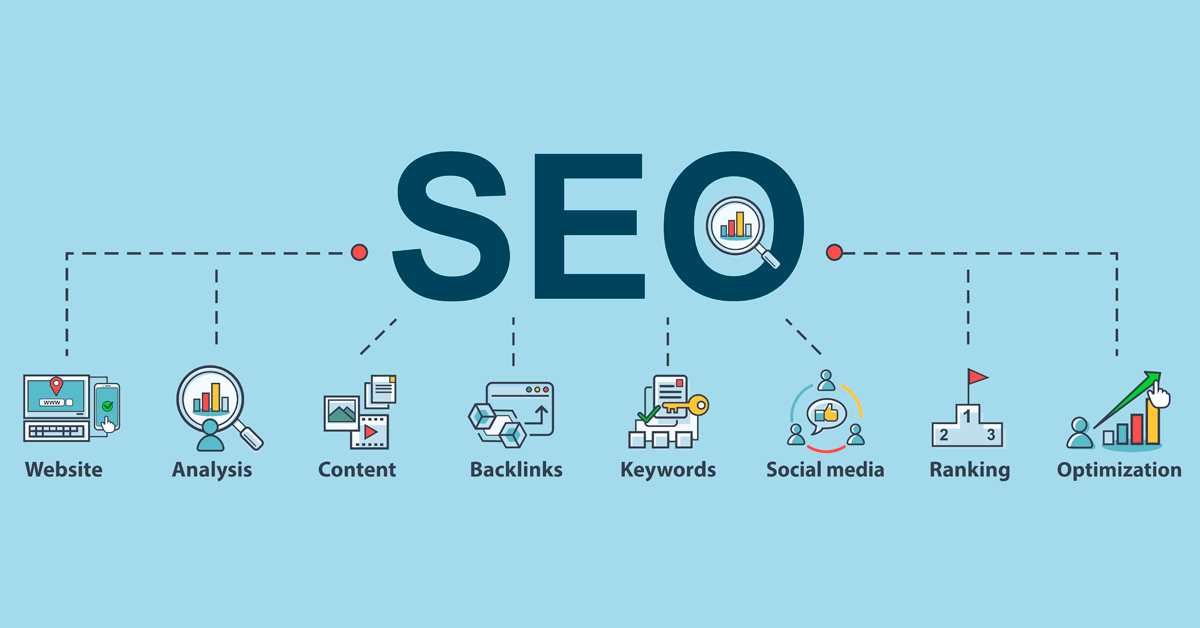
The biggest fear most bloggers have about going their own way is whether it’ll hurt their SEO. Fair question, and here’s my experience:
SEO improved when I stopped trying to compete for the same keywords as everyone else. My unique angles often targeted long-tail keywords that bigger bloggers were ignoring.
Featured snippets increased because my content answered questions differently from the standard industry responses.
Dwell time improved because people actually wanted to read my perspective instead of skimming for information they could get anywhere.
Backlinks happened naturally when other bloggers wanted to reference my unique takes instead of linking to the same recycled advice.
The truth about SEO best practices? They work for getting you to page 2. Standing out gets you to page 1.
The Social Media Comparison Detox 📱

Social media was the hardest part of breaking the comparison habit. Instagram especially felt like a 24/7 highlight reel of everyone else’s success.
My solution:
- Turned off all notifications for social apps
- Used Instagram only for posting, not scrolling
- Followed accounts outside my niche for genuine inspiration without direct comparison
- Set specific times for social media instead of mindless scrolling
- Focused on engagement quality over vanity metrics
The result?
My social media became a tool for connection instead of comparison, and my content improved because I wasn’t unconsciously copying what I’d seen that morning.
Building Confidence in Your Own Path
The hardest part about letting go of comparison wasn’t the practical stuff – it was trusting that my own instincts were worth following.
Here’s what helped build that confidence:
Document small wins obsessively. Every positive email, every meaningful comment, every small traffic increase. When you’re not comparing to others, you need to celebrate your own growth.
Create feedback loops with your actual audience. Instead of guessing what works based on competitor analysis, I started asking my readers directly what they wanted more of.
Track progress against the past you, not other people. My only competition became my own previous results.
Embrace being the weird one. Every niche needs someone willing to say what everyone else is thinking but afraid to voice.
The Ripple Effect on Everything Else
Stopping blog comparison didn’t just improve my content – it changed how I approached everything:
Business decisions became clearer when I wasn’t trying to replicate someone else’s strategy
Networking improved because I wasn’t positioning myself as “like that other blogger but different.”
Content planning became faster without the analysis paralysis of wondering what everyone else was covering
Pricing confidence increased because I wasn’t constantly benchmarking against others
Creative risks became easier to take because I wasn’t worried about looking foolish compared to the “professional” approach
Your Turn: The 30-Day Challenge

If you’re ready to stop letting comparison slow down your blog growth, here’s a practical 30-day experiment:
Week 1: Digital Detox
- Unfollow or mute every direct competitor
- Delete competitor bookmarks and research folders
- Install website blockers for sites you check obsessively
Week 2: Voice Recovery
- Write three posts you never intend to publish, just for practice
- Ask five readers what makes your content different from others they follow
- List ten opinions you have that go against industry conventional wisdom
Week 3: Content Audit
- Analyze your top-performing content without looking at external benchmarks
- Identify patterns in what YOUR audience engages with most
- Plan content based only on your own data and interests
Week 4: Original Angle Development
- Take five popular topics in your niche and brainstorm your weird take on each
- Publish at least one piece of content that feels authentically you, even if it’s risky
- Document how it feels to create without the comparison filter
The Long-Term Game Plan 🏆
Letting go of comparison isn’t a one-time decision – it’s an ongoing practice. Here’s how to make it sustainable:
Monthly content audits focusing on your own performance trends, not industry benchmarks
Quarterly goal setting based on your own growth trajectory, not what others have achieved
Annual strategy planning that builds on your unique strengths rather than copying successful competitors
Daily mindfulness about when comparison thoughts creep in and redirecting focus to your own work
The goal isn’t to become oblivious to your industry or completely isolate yourself. It’s to build confidence in your own creative instincts and stop letting other people’s success stories dictate your content strategy.
Bottom Line (And Why This Matters Now)
The internet doesn’t need another blogger trying to replicate what’s already working for someone else. It needs your weird perspective, your unique experiences, and your authentic voice.
Letting go of comparison blog growth isn’t just about feeling better (though you will). It’s about creating content that actually stands out in a sea of sameness.
Your blog will grow faster when you stop trying to be like everyone else and start being more yourself. Not because authenticity is trendy, but because it’s the only sustainable competitive advantage you have.
The bloggers who last aren’t the ones who copy trends perfectly. They’re the ones who create trends by being boldly, unapologetically themselves.
Your audience is waiting for what only you can give them. Stop looking over your shoulder at what everyone else is doing and start looking ahead at where your unique voice can take you.
The comparison trap will always be there, waiting to suck you back in. But once you taste the freedom of creating purely from your own inspiration, you’ll never want to go back to being a pale imitation of someone else’s success.
FAQs
How do I know if I’m comparing too much or just doing healthy competitor research?
If your “research” sessions leave you feeling deflated or questioning your own work, you’ve crossed the line.
Healthy research takes 30 minutes max and focuses on industry trends, not individual creator analysis.
Won’t I miss important industry news if I stop following competitors?
You’ll miss some noise, but you won’t miss anything actually important. Industry newsletters and Google Alerts can keep you informed without the comparison trigger.
What if my “authentic voice” isn’t interesting enough?
This fear is comparison talking.
Your authentic voice is interesting to your ideal audience – you just need to trust it long enough to attract the right people.
How long does it take to break the comparison habit?
The urge to compare starts fading after about 3-4 weeks. Full confidence in your own path usually takes 2-3 months of consistent practice.
Should I avoid all interaction with other bloggers in my niche?
No, just change how you interact.
Focus on genuine relationship building rather than competitive analysis. Support without studying.
What if stopping comparison hurts my SEO because I’m not targeting competitive keywords?
In my experience, unique angles often target better long-tail keywords with less competition.
Your SEO may actually improve.
How do I explain my unique approach to potential brand partners?
Brands want authentic voices, not copies.
Lead with your unique perspective as a selling point, not something to apologize for.
What if I accidentally copy someone without realizing it?
Ideas overlap naturally in any niche.
As long as you’re creating from your own experience and not deliberately copying, you’re fine.
How do I handle the loneliness of not being part of the blogger echo chamber?
Find community with creators outside your niche, or connect with bloggers in your space through genuine friendship rather than competitive watching.
What metrics should I focus on if not comparing to competitors?
Track your own month-over-month growth, engagement quality, email list building, and revenue.
Compare your current performance to your past performance only.