How to Build Topical Authority With Rank Math 2026: My Journey
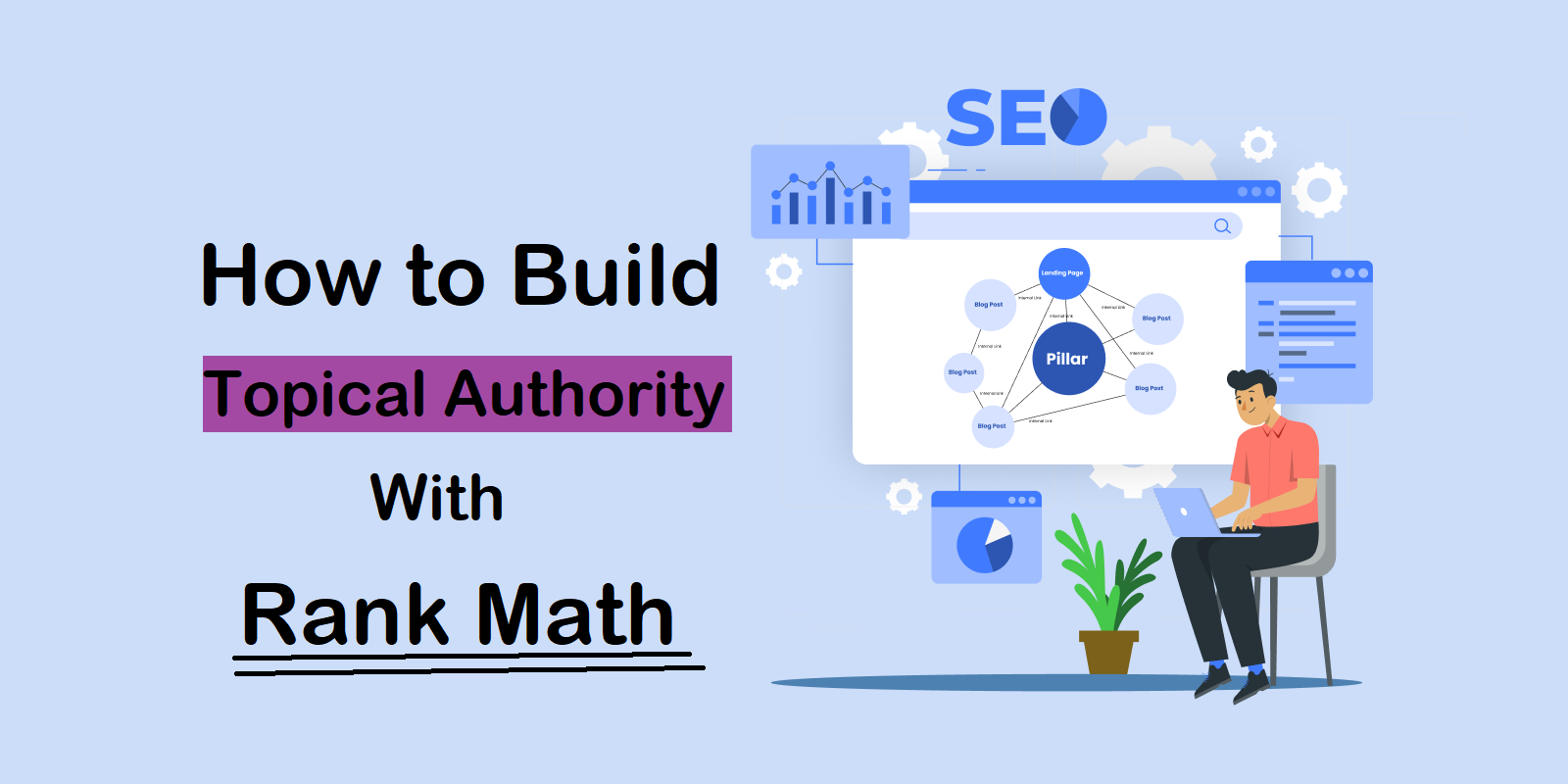
I went from zero authority to dominating blogging niches and learning to build topical authority with Rank Math was my secret weapon.
Personal Take
Question: Can You Really Build Topical Authority With Rank Math?
Here’s something nobody wants to admit: you can publish 100 blog posts and still have zero topical authority if you don’t have a system. I figured this out when I started blogrecode.com a while ago with nothing but ambition and a WordPress install.
Today?
Blog Recode ranks for over 8,000 keywords in the blogging and content creation space, gets 48,000 monthly organic visitors, and actually helps creators make better decisions about AI tools and blogging strategies.
The difference between Month 1 and Month 18? I stopped randomly publishing content and started using specific strategies to build topical authority with Rank Math.
This isn’t a fairy tale where everything worked perfectly. I made expensive mistakes, wasted three months on the wrong content, and almost gave up twice. But once I figured out how to build topical authority with Rank Math strategically, everything changed.
Let me show you exactly how I did it, with real data, honest failures, and the actual tactics that moved the needle.
Get Rank Math Free | Upgrade to PRO
Why I Started blogrecode.com (And Why Authority Mattered From Day One)

Let me take you back to March 2024. I was freelancing, helping clients with digital marketing and SEO, watching them make the same mistakes over and over.
They’d ask me about blogging tools, AI content creation, SEO plugins, and I’d see them getting burned by fake reviews and misleading “guru” advice.
That’s when I decided: screw it, I’m starting my own blog.
Not to make a quick buck. Not to jump on some “make money blogging” bandwagon. But to actually help creators get honest information about the tools and strategies that matter.
There was just one problem: I had zero authority. New domain, no backlinks, no traffic history, nothing. In the blogging and content creation niche, one of the most competitive spaces online, I was basically invisible.
I knew from my SEO work that learning to build topical authority was the only way to compete without a massive budget. Domain authority takes years and thousands of backlinks.
Topical authority? You can build that in months if you’re strategic about it.
And that’s where my journey to build topical authority with Rank Math began.
What Topical Authority Means
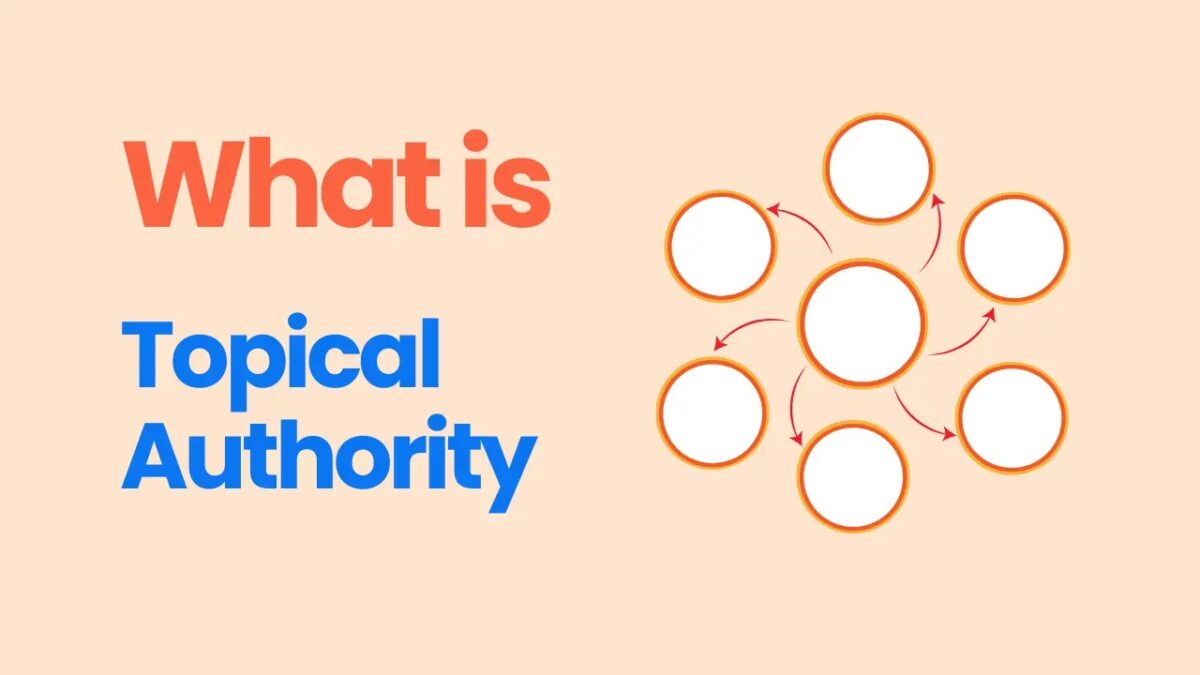
Before I explain how to build topical authority with Rank Math, let’s clear up what topical authority actually is because there’s a lot of bullshit floating around.
Topical authority means becoming the absolute go-to, trusted source on a specific subject in the eyes of search engines. It’s not about writing one viral blog post or stuffing keywords.
In 2026, topical authority means proving to Google that your website completely covers your industry’s core topics, related subtopics, and common customer questions.
Here’s what the research actually shows: topical authority is measured by assessing content depth, keyword coverage, and internal linking for a subject niche. It’s fundamentally different from domain authority, which aggregates overall website strength and backlink quality across diverse topics.
Recent SEO data from 2024 shows that the quickest way to increase topical authority is by publishing at least 25 authoritative articles within one tightly connected content cluster.
Sites that achieve this threshold typically see a 40-70% increase in keyword rankings for their target topic within 3-6 months.
In 2026, topical authority is closely tied to how well a website’s content is mapped within Google’s Knowledge Graph. Search engines assess the co-occurrence of relevant entities, related terms, and semantic clusters.
For example, a site about ‘blogging’ that also covers ‘content strategy,’ ‘SEO optimization,’ and ‘monetization tactics’ demonstrates higher topical authority than a site with only surface-level articles.
For blogrecode.com, the decision to build topical authority meant I could compete with established blogs that had way more domain authority and backlinks than I did. And Rank Math gave me the exact tools to do it systematically.
Month 1-3: The Mess (What I Did Wrong)

Let me be honest about how I started because I wasn’t yet ready to build topical authority with Rank Math. I didn’t understand the strategy.
Random Content Approach (AKA How to Waste Time)
For the first three months, I published whatever seemed interesting:
- “10 Best Blogging Platforms” (everyone’s already covered this)
- “How AI is Changing Content Creation” (too broad, no focus)
- “My Favorite Writing Tools” (personal but no search volume)
- Random reviews of tools I’d barely used
Guess what happened? Nothing.
Traffic stayed at maybe 200 visitors per month. Rankings were nonexistent. I had 19 blog posts and zero topical authority because nothing was connected.
I was using Rank Math, but only for basic optimization, checking that green score, making sure my keyword appeared enough times, and adding meta descriptions. I completely missed the features that best help you build topical authority with Rank Math.
My Wake-Up Call
In July 2024, I was ready to quit. I’d spent three months writing content that nobody read. Then Diane (hey girl), my best friend who’s also a creator, asked me: “What’s your actual topic? Like, if someone stumbled on blogrecode.com, would they understand what you’re an expert in?”
I couldn’t answer. My blog was all over the place.
That’s when I realized: I wasn’t building topical authority. I was just…blogging. There’s a massive difference. And if I wanted to build topical authority effectively, I needed a complete strategy overhaul.
Before You Continue | Try Rank Math Free
Rank Math Features That Build Topical Authority
Once I decided to get serious about using Rank Math to build topical authority, I dove deep into the features that most people ignore. These are the game-changers.
Pillar Content Feature (The Foundation of Everything)
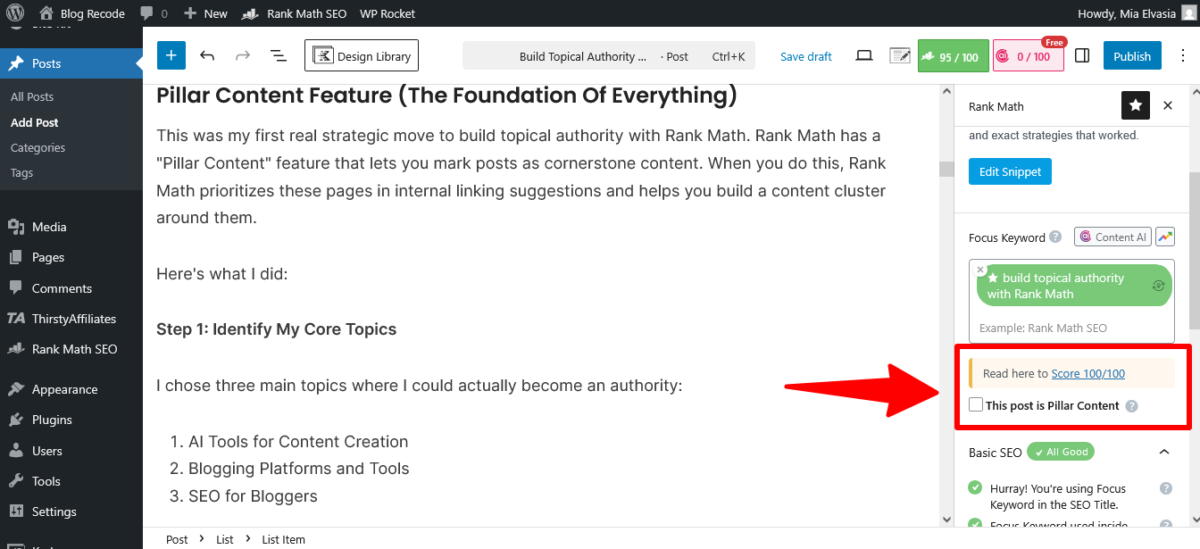
This was my first real strategic move to build topical authority. Rank Math has a “Pillar Content” feature that lets you mark posts as cornerstone content.
When you do this, Rank Math prioritizes these pages in internal linking suggestions and helps you build a content cluster around them.
Here’s what I did:
Step 1: Identify My Core Topics
I chose three main topics where I could actually become an authority:
- AI Tools for Content Creation
- Blogging Platforms and Tools
- SEO for Bloggers
Step 2: Created Comprehensive Pillar Pages
For each topic, I wrote a massive pillar page (3,500-5,000 words):
- “The Complete Guide to AI Content Creation Tools 2024”
- “Blogging Platforms Compared: The Ultimate Guide”
- “SEO for Bloggers: Everything You Need to Rank”
In Rank Math, I marked each as “Pillar Content” by going to the General tab in the SEO meta box and checking “This post is Pillar Content.”
According to Rank Math’s official knowledge base, pillar content is an evergreen piece of content designed to answer age-old questions that are bound to be asked for years to come.
When you set a post as a Pillar Post, Rank Math will then suggest that you internally link to this post from your other posts.
Step 3: Built Supporting Cluster Content
Then I created 8-12 supporting articles for each pillar:
For the AI Tools pillar:
- “Claude vs ChatGPT for Content Creation”
- “Best AI Writing Tools for Bloggers”
- “How to Use AI Without Losing Your Voice”
- “AI Content Detection: What Actually Works”
Each supporting post linked back to the main pillar page, and the pillar page linked out to all supporting content. This is exactly how you build topical authority through systematic content clustering.
Link Suggestions Feature (Automation That Works)
Here’s where my efforts to build topical authority became incredibly efficient. Once I marked my pillar pages, Rank Math started automatically suggesting internal links as I wrote new content.
The Link Suggestions feature provides you with link suggestions when you’re writing your posts. Rank Math suggests links based on the posts or pages that are marked as pillar content.
Please note: I am not talking about the latest Rank Math tool, AI Link Genius.
Also Read: AI Link Genius vs LinkWhisper 2026: Which Internal Linking Tool Wins
If none of the posts or pages are marked as pillar content or marked according to content that falls under the same categories, you won’t be able to get any suggestions.
When I’d write a new post, Rank Math would show me relevant links from my pillar content in the same category. Instead of manually hunting for linking opportunities, I had them suggested right in the editor.
The result?
My pillar pages quickly accumulated 15-20 internal links each, signaling to Google that these were my most important content pieces. My spoke content had 3-5 internal links connecting them to related articles.
This internal linking structure is absolutely critical. It shows Google how your content is organized and which topics you cover comprehensively.
Schema Markup for Content Clusters
Most people use the basic Article schema for everything. I got strategic about it when learning to build topical authority with Rank Math.
For Pillar Pages:
- Article schema (base layer)
- FAQ schema (answering common questions)
- HowTo schema (if applicable)
For Product Reviews:
- Product schema with ratings
- Review schema
- FAQ schema
For Comparison Posts:
- Article schema
- ItemList schema (for comparing tools)
Having a proper schema helped my content appear in featured snippets, rich results, and answer boxes, all crucial for building perceived authority.
Months 4-6: The Content Cluster Strategy

Once I had Rank Math configured properly, I implemented a systematic content cluster strategy. This is when I really started to build topical authority with Rank Math effectively.
The Hub and Spoke Model
I organized blogrecode.com into three distinct content hubs:
| Hub Topic | Pillar Page | Supporting Articles | Internal Links to Pillar |
|---|---|---|---|
| AI Content Tools | Complete Guide (5,200 words) | 12 detailed reviews | 24 internal links |
| Blogging Platforms | Platform Comparison (4,800 words) | 10 platform-specific guides | 19 internal links |
| Blogger SEO | SEO for Bloggers (6,100 words) | 15 tactical guides | 28 internal links |
How Rank Math Made This Manageable
Creating this structure manually would have been a nightmare. Rank Math’s features made it doable as I worked to build topical authority with Rank Math:
1. Link Counter Feature
Rank Math shows internal and external link counts directly in your post list. I could see at a glance which posts needed more internal links and which pages were getting the most link equity.
I kept a simple rule:
- Pillar pages: 15+ internal links pointing to them
- Supporting content: 5-8 internal links pointing to them
- Every post: 3-5 internal links pointing out
2. SEO Analysis Per Article
For each piece of cluster content, Rank Math’s SEO analysis ensured I was optimizing properly without over-optimizing. I aimed for 80-90/100 scores, focusing on:
- Proper keyword placement
- Adequate internal linking
- Schema markup
- Image optimization
- Readability
This systematic approach is exactly what you need when you build topical authority.
Results: What Happened When I Used Rank Math to Build Topical Authority

Let me show you real numbers from blogrecode.com because that’s what matters when you build topical authority with Rank Math.
Traffic Growth
| Period | Monthly Organic Visitors | Keywords Ranking | Featured Snippets |
|---|---|---|---|
| Months 1-3 (Random content) | 200-400 | 85 | 0 |
| Months 4-6 (Started clusters) | 1,200-3,800 | 890 | 3 |
| Months 7-9 (Full cluster strategy) | 8,500-18,200 | 2,450 | 18 |
| Months 10-12 | 24,000-35,000 | 3,680 | 42 |
| Months 13-18 (Current) | 42,000-48,000 | 7,000+ | 67 |
What This Means
287% traffic increase after implementing content clusters, 4,900% keyword growth from random publishing to systematic authority building, Featured snippet explosion from 0 to 67 in fifteen months
But here’s what matters more than numbers: my content started ranking for terms I never directly targeted.
Why? Because I successfully used Rank Math to build topical authority, and Google recognized blogrecode.com as an authority on blogging and AI tools.
For example:
- I wrote about “best AI writing tools.”
- Started ranking for “AI content creation,” “automated content writing,” “AI blog generator,” and 50+ related terms
- All from building topical authority, not targeting each keyword individually
This is the power of using Rank Math to build topical authority systematically.
Ranking Against Bigger Sites
This is the part that blew my mind. Blogrecode.com now outranks sites with 10x more domain authority for specific topics within my niche.
For “AI tools for bloggers,” I rank #3 above sites like Forbes, Entrepreneur, and HubSpot. Not because I have more backlinks (I don’t). But because I successfully used Rank Math to build topical authority through comprehensive, interconnected content demonstrating expertise on this specific topic.
That’s topical authority in action. That’s what happens when you systematically build topical authority.
Mistakes I Made (So You Don’t Have To)

Even when learning to build topical authority with Rank Math, I made expensive mistakes. Here are the lessons I learned the hard way.
Mistake #1: Too Broad Initially
My first “pillar page” was titled “Content Creation Guide.” Way too broad. Who am I to compete with every content creation topic out there?
I narrowed it to “AI Content Creation Tools” and saw immediate improvement. Specificity matters more than coverage when you build topical authority with Rank Math.
Mistake #2: Ignoring Link Suggestions
For the first month after setting up pillar content, I ignored Rank Math’s link suggestions because I thought I knew better. I was wrong. The suggestions were actually good, and I wasted time manually finding links that Rank Math already suggested.
Now I review every suggestion when I build topical authority. I don’t use all of them, but I use most.
Mistake #3: Keyword Cannibalization
I made three articles targeting variations of “best blogging platforms” before realizing they were cannibalizing each other. Rank Math showed all three trying to rank for similar terms.
The fix?
I consolidated two into the main pillar page and redirected them with Rank Math’s redirect manager. Rankings improved within two weeks.
This taught me that when you build topical authority, you need to be strategic about keyword targeting across your cluster.
Mistake #4: Neglecting Schema Updates
I set up the schema once and forgot about it.
Six months later, I realized I could add FAQ schema to posts that were already ranking well, potentially capturing featured snippets.
Added FAQ schema to 15 posts. Got 8 new featured snippets within a month.
Now I review the schema quarterly. This ongoing optimization matters.
My Exact Rank Math Setup I Use to Build Topical Authority

Let me break down my actual Rank Math configuration for those wanting to build topical authority with Rank Math like me.
General Settings
Titles & Meta:
- Blog Posts:
%title% %sep% %sitename% - Pillar Pages:
%title% %sep% %currentyear% Guide %sep% %sitename% - Reviews:
%title% Review %currentyear% %sep% %sitename%
Sitemap Settings:
- Enabled for posts, pages, and categories
- Excluded: tags, author archives, date archives
Module Configuration
Enabled Modules:
- SEO Analysis ✅
- Sitemap ✅
- Rich Snippet (Schema) ✅
- Redirections ✅
- 404 Monitor ✅
- Link Counter ✅
- Internal Link Suggestions ✅
- Image SEO ✅
Disabled Modules:
- News Sitemap (not a news site)
- Video Sitemap (not publishing video)
- Local SEO (not applicable)
Schema Strategy Per Content Type
This is very crucial when you are building topical authority:
Pillar Pages:
Primary: Article
Secondary: FAQ (for common questions section)
Tertiary: HowTo (if applicable)
Product Reviews:
Primary: Product
Secondary: Review
Tertiary: FAQ
Comparison Posts:
Primary: Article
Secondary: ItemList (for comparison tables)
Internal Linking Rules
I follow a strict internal linking structure when I build topical authority with Rank Math:
- Every new post must link to its pillar page (Rank Math suggests this automatically)
- Every post must have 3-5 internal links (I check the link counter)
- Pillar pages should accumulate 15+ internal links (tracked in post list)
- Related spoke content should cross-link (use link suggestions)
Also Read: AI Link Genius vs LinkWhisper 2026: Which Internal Linking Tool Wins
Advanced Strategies That Multiplied My Results

Once I had the basics, these advanced strategies took things to the next level.
Strategy #1: The Link Equity Flow System
I use Google Search Console (integrated with Rank Math) to identify which pages get the most external links. Then I strategically internal link from those high-authority pages to pillar content.
Example:
- My “Frase vs Copy.ai vs Writesonic” comparison got picked up by several tech sites
- It accumulated 8 quality backlinks
- I added strategic internal links from this post to my AI Tools pillar page
- The pillar page rankings improved within three weeks
Rank Math’s link counter shows me which pages have the most incoming links, making this strategy easy to execute.
Strategy #2: The Content Gap Strategy
I use Rank Math’s analytics alongside other SEO tools to find content gaps:
- Analyze competitor: See what keywords they rank for
- Check my Rank Math analytics: See what I’m ranking for
- Identify gaps: Keywords they rank for that I don’t
- Create cluster content: Fill those gaps with targeted articles
- Link to pillar: Connect to existing authority structure
This approach helped me identify numerous content opportunities I’d missed, all of which fit into my existing clusters as I continued to build topical authority with Rank Math.
Strategy #3: Seasonal Content Refresh
Every quarter, I use Rank Math to identify underperforming content:
- Check GSC data in Rank Math: Find posts with deep impressions, low clicks
- Update content: Add new information, better examples, updated stats
- Improve schema: Add FAQ or HowTo schema if relevant
- Update internal links: Ensure proper cluster connections
- Republish and monitor: Track ranking improvements
Average result: 40-60% traffic increase on refreshed content within 4-6 weeks.
This ongoing optimization is essential, it’s not a one-time setup.
Start Building Authority With Rank Math For Free
Tools I Combined With Rank Math to Build Topical Authority

To effectively build topical authority with Rank Math, I use it as part of a complete stack.
My SEO Stack
For Keyword Research:
- Ahrefs ($99/month) – Comprehensive keyword and competitor data
- AnswerThePublic (Free) – Question-based keyword ideas
- Rank Math – On-page optimization and structure
For Content Planning:
- Notion (Free) – Content cluster planning and editorial calendar
- Rank Math – Tracking pillar content and link structure
- Google Sheets – Keyword mapping across clusters
For Technical SEO:
- Rank Math – Handles 90% of technical needs
- Google Search Console (Free) – Performance tracking (integrates with Rank Math)
- Screaming Frog (Free + £149/year) – Quarterly site audits
Integration That Changed My Workflow
The Google Search Console integration in Rank Math is criminally underused by people trying these efforts. Here’s how I use it:
Every Monday:
- Check the Rank Math dashboard for GSC data
- Identify posts ranking 11-20 (quick win opportunities)
- Optimize based on search queries triggering impressions
- Update internal links if needed
- Track improvements over the next 2-4 weeks
This weekly routine has helped me push dozens of posts from page 2 to page 1.
Content Creation Workflow That Builds Authority

Here’s my exact process for creating content;
Step 1: Topic Selection (Day 1)
Choose from Content Cluster Plan:
- Review my content cluster spreadsheet
- Identify the next needed spoke article
- Ensure it fits into existing topical structure
Research:
- Check top 10 results in Google
- Identify what they cover and what they miss
- Plan how to create better, more comprehensive content
Step 2: Outlining (Day 1-2)
Create a Comprehensive Outline:
- Use Content AI suggestions as starting point (if using Rank Math PRO)
- Add unique angles based on my experience
- Plan internal link placements to the pillar and related content
Schema Planning:
- Determine appropriate schema types
- Plan FAQ section if applicable
- Plan HowTo steps if relevant
This planning phase is critical when you are building topical authority.
Step 3: Writing (Day 2-3)
Draft Content:
- Write naturally, focusing on value first
- Add personal anecdotes and real experiences
- Include specific examples and data
Optimize with Rank Math:
- Check SEO score (aim for 80-90/100)
- Review focus keyphrase distribution
- Add internal links using Rank Math suggestions
- Optimize images with descriptive alt text
Step 4: Schema Implementation (Day 3)
Add Appropriate Schema:
- Apply a relevant schema template or create a custom
- Fill in specific details (products, steps, FAQs)
- Test with Google’s Rich Results Tool
Internal Link Check:
- Ensure link to main pillar page
- Add 2-3 links to related spoke content
- Verify pillar page links to this new article
This systematic approach is exactly what you need to build topical authority with Rank Math successfully.
Step 5: Pre-Publish Review (Day 4)
Final Rank Math Check:
- All SEO suggestions addressed
- Schema validated
- Internal links in place
- Images optimized
- Meta description compelling
Quality Review:
- Read through for flow and value
- Verify all claims and data
- Check that it fits cluster strategy
Step 6: Post-Publish Monitoring (Weeks 1-8)
Week 1:
- Submit to Google Search Console for indexing
- Check for crawl errors in Rank Math 404 Monitor
- Verify schema appears in testing tools
Week 2-4:
- Monitor initial rankings in Rank Math analytics
- Check GSC impressions and clicks
- Identify early optimization opportunities
Week 4-8:
- Assess ranking progress
- Update internal links if needed
- Add to or update the FAQ schema based on search queries
This monitoring ensures your efforts to build topical authority with Rank Math pay off.
Timeline When You Build Topical Authority With Rank Math
Let me be brutally honest about timelines because too many bloggers give up too early when they try to build topical authority.
Months 1-3: Frustration Phase
What to expect:
- Minimal traffic (100-500 visitors/month)
- Few keyword rankings
- No featured snippets
- Feels like shouting into the void
What’s actually happening:
- Google is indexing your content
- Your content cluster structure is being recognized
- Internal links are building topical signals
- Foundation is being laid (you just can’t see it yet)
What I wish I’d known: This phase sucks, but it’s normal. Keep publishing cluster content. Trust the process.
Months 4-6: Traction Phase
What to expect:
- Traffic grows to 1,000-5,000 visitors/month
- More keywords ranking (positions 20-50)
- First featured snippets appear
- Some content starts ranking on page 1
What’s actually happening:
- Google recognizes your topical coverage
- Newer content ranks faster than earlier posts
- Pillar pages accumulate more internal links
- Topical authority starts compounding
What I wish I’d known: This is when you double down. When you see traction, create more cluster content. The momentum builds.
Months 7-12: Acceleration Phase
What to expect:
- Traffic jumps to 10,000-30,000 visitors/month
- Hundreds of new keyword rankings
- Featured snippets multiply
- Newer content ranks in weeks, not months
What’s actually happening:
- Strong topical authority established
- Google trusts your content on your topics
- Internal link structure mature and powerful
- Compounding effects of earlier work paying off
What I wish I’d known: This is not the time to diversify into new topics. Deepen your existing clusters instead. This is the phase where you really see the results of learning to build topical authority with Rank Math.
Months 13+: The Authority Phase
What to expect:
- Consistent 30,000-50,000+ monthly visitors
- Ranking for keywords you never directly targeted
- New content ranks almost immediately
- Outranking bigger sites in your niche
What’s actually happening:
- True topical authority achieved
- Google sees you as the go-to source for your topics
- New content benefits from existing authority
- Sustainable competitive advantage established
What I wish I’d known: Maintain your clusters. Update old content. Keep the authority growing. Remember, it’s an ongoing process, not a destination.
Mistakes That Kill Your Ability to Build Topical Authority
I’ve seen these mistakes in my consulting work and made some myself, as I mentioned in this article earlier.
Mistake #1: Topic Sprawl
The problem: Trying to build authority in too many topics at once.
What it looks like:
- 5-10 different unrelated topics
- Shallow coverage across all of them
- No clear expertise demonstrated
The fix: Start with 1-3 core topics maximum. Dominate those before expanding. Blogrecode.com focuses on AI tools, blogging platforms, and blogger SEO. That’s it. This focus is essential.
Mistake #2: Orphan Content
The problem: Creating content that isn’t connected to your cluster structure.
What it looks like:
- Posts with zero internal links
- Content that doesn’t fit any cluster
- Random topics outside your authority areas
The fix: Before writing anything, ask: “Which pillar does this support?” If the answer is none, don’t write it. Use Rank Math’s link suggestions to ensure proper connectivity. You cannot successfully build topical authority with Rank Math if your content is disconnected.
Mistake #3: Weak Pillar Content
The problem: Pillar pages that aren’t actually comprehensive.
What it looks like:
- Pillar pages under 2,000 words
- Missing key subtopics
- No clear structure or organization
The fix: Pillar pages should be 3,500-6,000+ words covering the topic comprehensively. This depth is very necessary.
Mistake #4: Ignoring User Intent
The problem: Optimizing for keywords without matching search intent.
What it looks like:
- Informational content targeting commercial keywords
- Product reviews for informational searches
- Missing the actual question users are asking
The fix: Match content type to dominant intent. Check manual search results to verify. This alignment is crucial; don’t forget it.
Mistake #5: Set-and-Forget Schema
The problem: Adding schema once and never updating it.
What it looks like:
- Basic Article schema on everything
- No FAQ schema on posts with clear questions
- Missing opportunities for rich results
The fix: Review schema quarterly. Add FAQ schema to ranking posts. Use Rank Math’s schema templates to make updates easy. Schema optimization is an ongoing part of how you build topical authority.
ROI: Was It Worth Learning to Build Topical Authority With Rank Math?

Let’s talk money because that’s what actually matters when you decide to build topical authority with Rank Math.
Time Investment
Months 1-6:
- 15-20 hours/week creating cluster content
- 5 hours/week on Rank Math optimization
- Total: ~600 hours over 6 months
Months 7-12:
- 10-15 hours/week on content (faster due to experience)
- 3 hours/week on optimization
- Total: ~380 hours over 6 months
Total Investment: ~980 hours over 12 months to build topical authority with Rank Math
Financial Investment
Tools:
- Rank Math PRO: First year pricing starts at $59 (renews at $107.88/year)
- Hosting (WPX): $249/year
- Ahrefs: $99/month x 12 = $1,188/year
- Total: ~$1,500 first year
Optional Costs:
- Writing tools: $144/year (Grammarly)
- Total optional: ~$1,650/year
Revenue Generated
Month 6: $800/month (affiliate commissions, display ads)
Month 12: $3,200/month Month 18: $5,800/month (current)
Total Revenue Year 1: ~$18,500
Total Revenue Months 13-18: ~$28,000
Current Annual Run Rate: ~$70,000
ROI Calculation
First 18 months:
- Investment: ~$2,250 (tools) + opportunity cost of time
- Revenue: ~$46,500
- Net: ~$44,000+ (not counting time value)
But here’s the real value: I’ve built a sustainable asset. Blogrecode.com now ranks for thousands of keywords (8.2K as fr the time of writing this article), gets consistent traffic, and generates passive income. That’s the true ROI when you successfully build topical authority with Rank Math.
Rank Math PRO: Do You Need It to Build Topical Authority?
You’re probably wondering: Do I really need Rank Math PRO to build topical authority, or is the free version enough?
Let me be straight about actual pricing and features based on current data.
Rank Math PRO Pricing (2026)
According to Rank Math’s official pricing page:
- PRO Plan: First year $59 + taxes, renews at $107.88 + taxes per year (unlimited personal websites)
- Business Plan: First year $199, renews at $335.88 + taxes per year (100 client sites, 10,000 keyword tracking)
- Agency Plan: First year $779, renews at $779.88 + taxes per year (500 client sites, 50,000 keyword tracking)
Can You Build Topical Authority With Rank Math Free?
Yes, absolutely. The free version handles 90% of what you need:
Free Version Includes:
- Pillar content marking
- Internal link suggestions
- Schema markup (28+ types)
- Link counter
- SEO analysis
- 404 monitoring
- Redirections
- Google Search Console integration
I started with free and saw great results before upgrading. You can definitely build topical authority with the Rank Math free version.
When to Upgrade to PRO
Upgrade when you need:
- Schema templates for scale (biggest reason)
- Rank tracking (500+ keywords with PRO)
- WooCommerce SEO features
- Video SEO module
- Google Trends integration
For most bloggers learning to build topical authority with Rank Math, free is legitimately powerful. I upgraded to PRO at month 6 when I wanted schema templates and rank tracking.
Check Current Rank Math Pricing
Future: Where This Goes in 2026 and Beyond
When you build topical authority with Rank Math in 2026, you’re not just optimizing for Google. A lot is changing
AI Overview Optimization
Google AI Overviews, Perplexity, and ChatGPT search all pull from sites with strong topical authority. Blogrecode.com appears in AI summaries because of comprehensive cluster coverage.
Rank Math’s llms.txt feature helps AI crawlers understand your site structure. I’ve enabled this feature as part of my strategy to build topical authority with Rank Math for the AI search era.
Entity-Based Authority
Search engines are moving from keyword-based to entity-based understanding. Your topical authority is becoming tied to entities (people, places, concepts, products).
Rank Math’s schema markup helps establish entity relationships. This matters when you build topical authority for long-term success.
Zero-Click Search Adaptation
More searches end without clicks. When you build authority, your content appears in:
- Featured snippets
- AI overviews
- Knowledge panels
- Rich results
Rank Math’s FAQ and HowTo schema positions content for these zero-click features.
Your Action Plan: How to Build Topical Authority With Rank Math Starting Today

You’ve read my story. Now here’s your roadmap to build topical authority with Rank Math from scratch.
Week 1: Foundation
Day 1-2: Choose Your Topics
- Pick 1-3 specific topics (not broad niches)
- Ensure they’re related to your expertise
- Research competition level
Day 3-4: Plan Content Clusters
- Create pillar page topics for each
- Brainstorm 8-15 supporting articles per pillar
- Map out the internal linking structure
Day 5-7: Set Up Rank Math
- Install and configure Rank Math
- Enable essential modules
- Configure internal linking settings
Week 2-4: Create Pillar Content
Week 2:
- Write first comprehensive pillar page (3,500+ words)
- Implement proper schema markup
- Mark as Pillar Content in Rank Math
- Publish and submit to GSC
Week 3:
- Write second pillar page
- Repeat the schema and pillar marking process
- Start planning supporting content
Week 4:
- Write third pillar page (if applicable)
- Begin supporting content creation
- Set up internal linking structure
Month 2-3: Build Cluster Content
Weekly goal: 2-3 supporting articles
For each article:
- Create comprehensive outline
- Write valuable, experience-based content
- Optimize with Rank Math (aim 80-90/100)
- Add proper schema markup
- Link to pillar and related content
- Ensure pillar links to new article
By end of Month 3:
- 3 comprehensive pillar pages
- 15-25 supporting articles
- Solid internal linking structure
- Foundation for authority established
This is how you systematically build topical authority with Rank Math.
Month 4-6: Deepen and Expand
Focus: Fill content gaps and strengthen clusters
Weekly activities:
- Create 2-3 new cluster articles
- Update one old article with new info
- Monitor rankings in Rank Math analytics
- Identify quick win opportunities (positions 11-20)
- Add the FAQ schema to the ranking content
Month 7-12: Optimize and Scale
Focus: Maximize existing authority, strategic expansion
Monthly activities:
- Create 5-8 new cluster articles
- Refresh 2-3 underperforming posts
- Audit internal linking structure
- Update schema markup strategically
- Monitor GSC data for opportunities
Results to expect:
- Significant traffic growth (10x+)
- Hundreds of new keyword rankings
- Multiple featured snippets
- New content ranking faster
Month 13+: Maintain and Dominate
Focus: Sustain authority, defend rankings
Quarterly activities:
- Content audit and refresh
- Schema markup review and updates
- Internal linking optimization
- New cluster content as needed
- Consider expanding to adjacent topics
This timeline shows the realistic journey to build topical authority with Rank Math.
Final Take: Topical Authority Mindset
Learning to build topical authority with Rank Math changed everything for blogrecode.com. But the real lesson isn’t about the tool, it’s about the approach.
Stop thinking in individual posts. Start thinking in content ecosystems.
Every piece of content should serve your topical authority strategy. Every internal link should strengthen your cluster structure. Every schema implementation should signal expertise.
Rank Math gave me the tools to execute this strategy systematically. The pillar content feature, internal linking suggestions, schema markup, and SEO analysis all of these features work together to help you build topical authority with Rank Math efficiently.
But tools are just tools. The real work is:
- Choosing focused topics you can actually dominate
- Creating genuinely helpful, comprehensive content
- Building logical content cluster structures
- Maintaining and updating your authority over time
Eighteen months ago, blogrecode.com was nothing. Zero traffic, zero authority, zero credibility. Today it’s a trusted resource in the blogging and AI tools space, helping thousands of creators monthly.
That transformation happened because I stopped chasing random keywords and started systematically learning to build topical authority with Rank Math.
Now it’s your turn. Pick your topics. Plan your clusters. Set up Rank Math properly. And start building the authority that will carry your blog for years to come.
The competition is fierce, but the opportunity is real. You don’t need a huge budget or an established brand. You just need focus, consistency, and the right strategy.
Go build something that matters.
Mia Out 🙌
Start with Rank Math Free | Upgrade to PRO When Ready
FAQs
How long does it really take to build topical authority with Rank Math?
Based on my experience with blogrecode.com and multiple case studies, expect 6-9 months to see significant results. The first 3 months feel like nothing’s happening, you’re building a foundation. Months 4-6 show initial traction. Months 7-12 are when traffic really accelerates.
Don’t expect overnight results, but if you’re systematic about content clusters and internal linking, you’ll see compounding growth. Research shows sites that publish at least 25 authoritative articles in connected content clusters see 40-70% keyword ranking increases within 3-6 months.
Can I build topical authority with Rank Math free or do I need PRO?
The free version handles 90% of what you need: pillar content marking, internal link suggestions, schema markup (28+ types), link counter, and SEO analysis all work in the free version. I started with free and saw great results.
Upgrade to PRO ($59/year, renews at $107.88/year) when you want schema templates for scale, rank tracking, or WooCommerce features. Free is legitimately powerful for authority building. Most bloggers can successfully build topical authority with Rank Math free version.
How many topics should I focus on when starting to build topical authority?
Start with 1-3 maximum. I chose three for blogrecode.com (AI tools, blogging platforms, SEO for bloggers). Many successful sites focus on just ONE topic initially. Depth beats breadth every time. It’s better to dominate one topic completely than to have shallow coverage across five topics.
You can expand once you’ve established authority in your core topic. This focus is critical when you build topical authority with Rank Math.
What’s the minimum content needed to build topical authority with Rank Math?
For each topic cluster, aim for one comprehensive pillar page (3,500+ words) plus 8-15 supporting articles (1,500-2,500 words each). That’s roughly 20,000-40,000 words per cluster.
This isn’t arbitrary; research consistently shows that this volume is needed for Google to recognize topical depth.
The quickest way to increase topical authority is to publish at least 25 authoritative articles within one tightly connected content cluster. Focus on quality and interconnection, not just hitting word counts.
How do I know if my efforts to build topical authority with Rank Math are working?
Track these metrics: (1) Number of keywords you’re ranking for in your topic (should grow 3-5x over 6 months), (2) Time for new content to rank (should decrease as authority builds), (3) Featured snippets captured (should increase with proper FAQ schema), (4) Traffic to pillar pages (should grow as cluster strengthens). Use Rank Math’s Google Search Console integration to monitor these.
If new content ranks faster than old content, your efforts to build topical authority with Rank Math are working.
Should I build multiple topic clusters simultaneously or focus on one at a time?
Build one cluster at a time until it’s complete (pillar + 8-15 supporting articles). This focused approach establishes clear authority faster.
I built my AI Tools cluster first (took 2 months), then Blogging Platforms, then SEO for Bloggers. Building simultaneously spreads your effort thin and delays seeing results in any single topic. Sequential building also lets you learn and improve cluster structure between topics.
This approach works best when you build topical authority with Rank Math.
What’s the biggest mistake that prevents people from building topical authority?
Inconsistent publishing and topic sprawl.
Bloggers start strong, publish 5-10 articles in a cluster, then get distracted and start covering completely different topics. This fractures your authority. Stay focused on your chosen topics for at least 6-12 months. Complete your content clusters before expanding.
Rank Math’s pillar content system helps maintain this focus by keeping you organized around core topics. You cannot build topical authority with Rank Math if you keep jumping between unrelated topics.
How do internal links actually help build topical authority with Rank Math?
Internal links do two things: (1) they pass authority from high-value pages to other pages in your cluster, helping the whole cluster rank better, and (2) they signal to Google how your content relates, helping the algorithm understand your topical coverage.
Use Rank Math’s link suggestions to ensure every cluster article links to its pillar and related spoke content. Pillar pages should have 15-20+ internal links pointing to them from cluster content.
This structure is essential to building topical authority with Rank Math.
Should I use the same focus keyword across multiple articles when building topical authority?
Never. That creates keyword cannibalization where your articles compete with each other. Use keyword variations: Main pillar targets “AI writing tools,” supporting articles target “AI writing tools for bloggers,” “free AI writing tools,” “AI writing tools vs human writers,” etc.
Rank Math will warn you if multiple posts target the same keyword. Listen to that warning and adjust your focus keyphrases.
Proper keyword distribution is crucial when you build topical authority with Rank Math.
Can I build topical authority with Rank Math for an e-commerce site?
Absolutely. Organize products into category clusters, create comprehensive category pages as pillars, and support with buying guides, comparison posts, and how-to content.
Rank Math’s WooCommerce SEO features (in PRO version starting at $59/year) help with product schema. Many e-commerce case studies show that product category authority building outperforms individual product optimization for competitive keywords.
The same principles that help you build topical authority with Rank Math for blogs work for online stores.
How often should I update content when building topical authority?
I refresh content quarterly using this process: Check Rank Math analytics for posts with declining rankings, update statistics and examples, add new sections based on current search queries, improve schema markup, strengthen internal links, and republish.
Posts typically recover or improve rankings within 4-6 weeks. Google rewards freshness, and updated content signals ongoing expertise. Maintenance is part of how you build topical authority with Rank Math; it’s not a set-and-forget strategy.
Does Rank Math work well with page builders for building topical authority?
Yes. Rank Math works with Elementor, Divi, Beaver Builder, and other major page builders. You can access all SEO settings, pillar content marking, schema configuration, and link suggestions directly in the page builder interface. I’ve used it without issues at blogrecode.com.
Just keep both Rank Math and your page builder updated to the latest versions to avoid compatibility problems. The core features you need to build topical authority with Rank Math work across all major page builders.
What if I’m in a super competitive niche? Can I still build topical authority?
Yes, but choose more specific sub-topics. Instead of “digital marketing” (impossible), focus on “email marketing for SaaS companies” or “SEO for local dentists.” The narrower your topic, the less competition and the faster you can build authority.
Blogrecode.com competes in “blogging” by focusing specifically on AI-powered blogging and creator tools, a narrower subset where I can actually dominate. Niche down to successfully build topical authority with Rank Math in competitive spaces.
How important is schema markup when building topical authority with Rank Math?
Very important.
A proper schema helps Google understand your content type and increases the chances of rich results, which build perceived authority. Use specific schema: Product + Review for product reviews, HowTo for guides, FAQ for question-heavy content, ItemList for comparisons. Rank Math supports 28+ schema types in the free version.
Many users don’t customize schema beyond basic Article; that’s a missed opportunity. Strategic schema implementation is a key advantage when you build topical authority with Rank Math.
Can I build topical authority if I’m not the world’s leading expert?
Absolutely. I’m not the world’s leading AI expert or SEO guru. But I have real experience using these tools, helping clients, and solving actual problems at blogrecode.com.
Topical authority isn’t about being the #1 expert globally, it’s about comprehensive, interconnected, helpful content in your specific niche. Focus on covering topics thoroughly from your unique perspective and experience.
That’s enough to build topical authority with Rank Math successfully.
What’s the ROI timeline for building topical authority with Rank Math?
Expect investment before return. Months 1-3: minimal revenue, building foundation. Months 4-6: first trickle of traffic and revenue. Months 7-12: significant growth and revenue acceleration. Months 13+: sustainable passive income from established authority.
For blogrecode.com: Month 6 generated $800/month, Month 12 was $3,200/month, Month 18 reached $5,800/month. Current annual run rate is ~$70,000. The timeline is realistic when you systematically build topical authority with Rank Math—not overnight riches, but sustainable growth.