What Is Semantic SEO & Why It Matters in 2026
When Google starts thinking like a human, your SEO strategy better evolve or get left behind in the keyword-stuffing stone age.
Confession: not too long ago, if you’d asked me what semantic SEO is, I’d have shrugged and called it a buzzword. It turns out to be the secret sauce behind how Google excels at connecting dots, reading intent, and picking winners in search.
I was still stuffing keywords into my content like I was preparing a Thanksgiving turkey, completely missing the fact that Google had evolved way beyond matching exact phrases.
My content read like it was written by a robot having an identity crisis, and my rankings were flatlining harder than my dating life.
Then I had one of those “holy cow” moments when I realized that semantic SEO isn’t about tricking Google – it’s about finally writing content the way humans actually think and search.
And today, with AI everywhere and Google’s algorithms becoming increasingly adept at understanding context, semantic SEO is no longer optional.
The wake-up call came when a competitor with half my content and zero keyword optimization began consistently outranking me.
Their secret?
They understood semantic SEO before I even knew what it meant.
Here’s everything I wish someone had explained to me about what is semantic SEO before I wasted six months chasing the wrong metrics.
When I Realized Keywords Weren’t enough 💡

Picture this: I spent three weeks optimizing a blog post on “starting a blog with AI,” hitting that exact phrase seventeen times, as if I were playing some kind of SEO drinking game.
The post ranked on page three, which, in Google terms, is basically digital purgatory.
Meanwhile, my competitor published a comprehensive guide about “streamlining your content workflow with automation software.”
They never used my exact keyword once, but they covered related concepts like content planning, editorial calendars, team collaboration tools, and workflow optimization.
Guess who ranked #3 for “content marketing tools”? Not me.
That’s when I realized Google had moved way beyond matching exact keywords.
It was understanding the intent behind searches and the relationships between concepts. My competitor wasn’t gaming the system – they were just writing better, more comprehensive content that actually answered what people were looking for.
Semantic SEO was happening whether I understood it or not, and I was getting left behind and maybe you are being left behind too.
What Semantic SEO Means (No Jargon)

Let me break this down in plain English because most explanations sound like they were written by AI for other AI systems.
👉 Traditional SEO: “I want to rank for ‘best pizza recipes’ so I’ll say ‘best pizza recipes’ a bunch of times in my content.”
👉 Semantic SEO: “People searching for pizza recipes probably also want to know about ingredients, cooking techniques, different pizza styles, troubleshooting tips, and maybe equipment recommendations. Let me create content that covers this whole universe of related concepts.”
Semantic SEO is about understanding that when someone searches for something, they’re not just looking for pages that repeat their exact words.
✅ They want comprehensive, contextually rich information that solves their actual problem.
Google’s algorithms now understand synonyms, related concepts, user intent, and the relationships between different topics. They can tell the difference between “Apple” the fruit and “Apple” the tech company based on context clues throughout your content.
This shift means your content needs to be topically comprehensive, not just keyword-dense.
How Google’s AI Changed Everything

The AI revolution didn’t just change how we create content; it completely transformed how Google understands and ranks content.
Here’s what’s different now:
✔️ BERT and beyond understand natural language context better than ever. Google can interpret complex queries like “what’s that thing you use to make coffee but not a coffee maker” and understand you’re probably looking for information about French presses or pour-over equipment.
✔️ Entity recognition enables Google to distinguish between entities (such as people, places, things, and concepts) and comprehend the relationships between them. If you mention “Stephen King” and “horror novels,” Google understands these are related entities even if you don’t explicitly connect them.
✔️ User intent prediction has gotten scary accurate. Google can predict what someone actually wants based on their search query, their search history, and patterns from millions of similar searches.
✔️ Content quality assessment now includes factors like depth, comprehensiveness, and expertise signals that go way beyond traditional SEO metrics.
The result?
Thin, keyword-stuffed content is getting buried while comprehensive, naturally written content that demonstrates expertise is rising to the top.
My Semantic SEO Transformation (The Messy Reality)
Switching to semantic SEO wasn’t as simple as flipping a switch. It required completely rethinking how I approached content creation.
Phase 1: Content Audit Hell. I went through every post on my blog and realized about 60% of my content was keyword-focused fluff that didn’t actually help anyone. Posts titled “Best AI Tools for Logos” that were just lists of tools with affiliate links and no real insight. (I fixed it)
Phase 2: Topic Cluster Creation Instead of targeting individual keywords, I started building topic clusters around broader themes. My “content marketing” cluster now includes posts about strategy, tools, metrics, psychology, team management, and workflow optimization; all naturally linking to each other.
Phase 3: Entity and Context Optimization. I started including related entities, concepts, and context in my content without forcing keyword placement. A post about email marketing now naturally mentions related concepts like automation, segmentation, deliverability, and CRM integration.
Phase 4: User Intent Focus Instead of asking “what keyword should I target,” I started asking “what problem am I solving, and what related questions might people have?” This led to much more comprehensive, helpful content.
The results after six months: a 240% increase in organic traffic, the average time on page increased from 1:30 to 4:20, and my content started ranking for hundreds of long-tail keywords I had never specifically targeted.
Building Topic Authority vs. Keyword Rankings

This was the biggest mindset shift for me.
Instead of trying to rank for specific keywords, semantic SEO focuses on establishing topical authority around relevant subjects.
❌ Old approach: Write separate posts targeting “email marketing tools,” “email marketing best practices,” “email marketing metrics,” etc.
✅ Semantic approach: Create a comprehensive content ecosystem around email marketing that naturally covers tools, strategies, metrics, psychology, automation, compliance, and advanced techniques – all interconnected and supporting each other.
Google now recognizes when you have deep expertise in a topic area. Sites with comprehensive coverage of related subtopics get an authority boost that helps all their content rank better.
My email marketing cluster now includes:
- Strategy and planning content
- Tool reviews and comparisons
- Technical implementation guides
- Psychology and persuasion principles
- Analytics and optimization techniques
- Legal and compliance information
- Advanced automation strategies
Each piece naturally references and links to others, creating a web of expertise that Google recognizes and rewards.
Entity-Based Content Strategy 🏷️
Entities are the building blocks of semantic SEO.
They’re the people, places, things, and concepts that Google recognizes and understands relationships between.
Person entities: Industry experts, company founders, thought leaders
Place entities: Cities, countries, venues, headquarters
Thing entities: Products, tools, technologies, methodologies
Concept entities: Strategies, principles, theories, frameworks
When I write about content marketing now, I naturally include relevant entities:
- People: Content marketing experts like Ann Handley, Joe Pulizzi
- Companies: MailerLite, GetResponse, Moosend
- Tools: AdCreative.ai, Frase AI, Moz
- Concepts: Inbound marketing, buyer personas, content funnels
Google understands these relationships and sees my content as more authoritative and comprehensive when I include relevant entities naturally.
Natural Language Processing & User Intent 💬
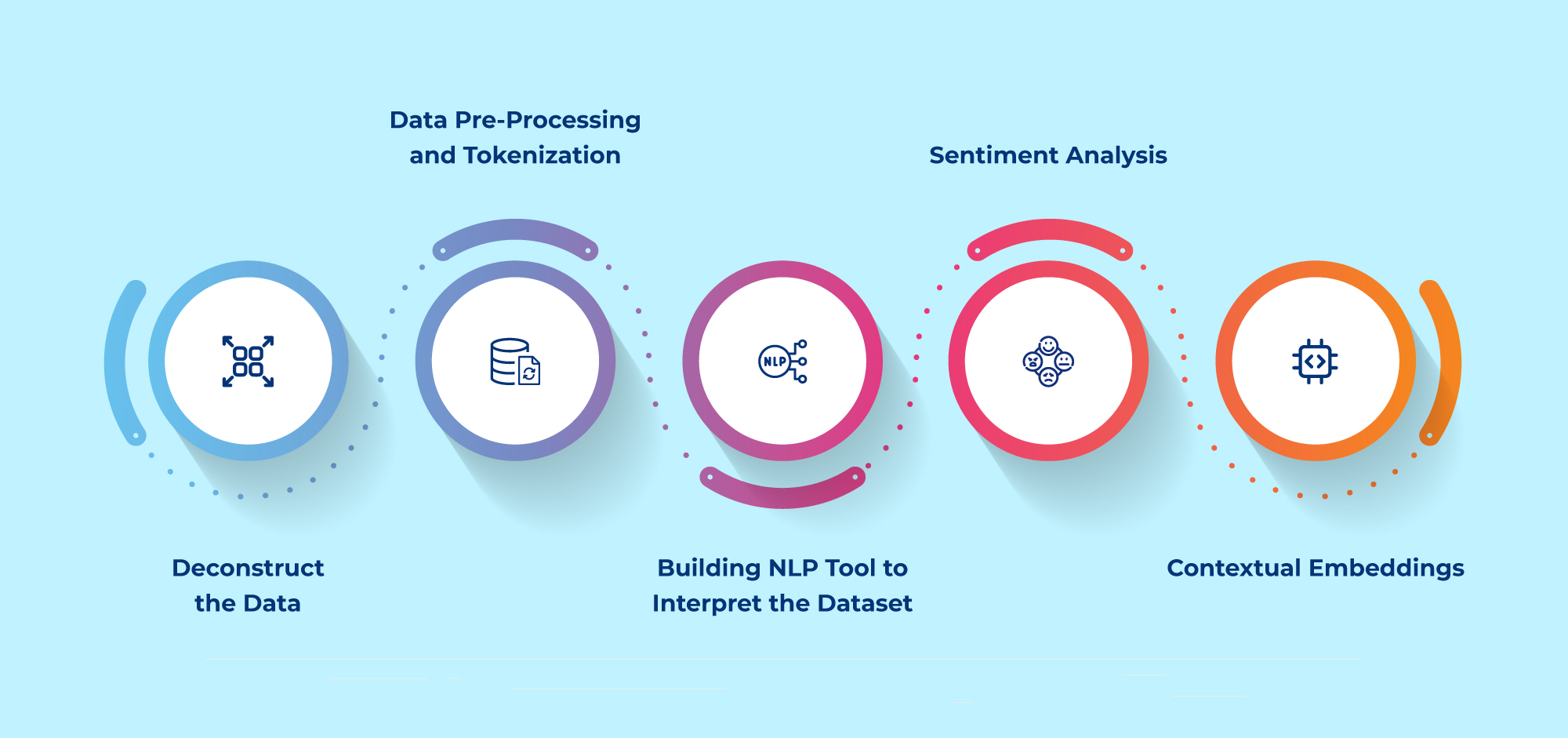
Understanding how people actually search has become crucial for understanding what constitutes semantic SEO success.
Most searches aren’t perfect keywords; they’re natural language queries.
Conversational queries: “How do I get more people to read my blog?”
Long-tail questions: “What’s the difference between content marketing and copywriting?”
Voice search patterns: “Best time to post on social media for small businesses”
Intent-based searches: “Why isn’t my email marketing working?”
I started optimizing for how people actually think and talk about problems, not just formal keyword phrases. This meant including:
- Common questions and variations
- Conversational language patterns
- Problem-focused framing
- Solution-oriented structure
- Natural speech patterns
My content started ranking for searches I never specifically targeted because Google understood the intent and context.
Content Depth vs. Content Volume

Semantic SEO rewards comprehensive depth over shallow volume. One thorough, well-researched post can outperform ten thin, keyword-focused posts.
Surface-level content: Lists tools without explaining use cases, benefits, or implementation strategies.
Semantically rich content: Explains not only what tools exist but also when to use them, how they integrate with workflows, what problems they solve, who they’re best suited for, and how they compare to alternatives.
I started spending 3x more time on each post but publishing less frequently.
The trade-off was worth it; my in-depth content consistently outranks shorter, keyword-focused competitors.
My depth checklist:
- Does this answer the main question completely?
- What related questions might readers have?
- What context or background information would be helpful to provide?
- What are common misconceptions or mistakes?
- How does this connect to broader concepts or strategies?
- What examples or case studies would illustrate the points?
LSI Keywords and Related Terms (Smart Way)
Latent Semantic Indexing (LSI) keywords are related terms that help Google understand your content context.
But most people use them wrong.
❌ Wrong approach: Stuff LSI keywords unnaturally throughout content
✅ Right approach: Include related concepts and terms naturally as part of comprehensive coverage
Instead of forcing in LSI keywords, I focus on thoroughly covering topics. Related terms appear naturally when you’re providing comprehensive information.
For a post about content planning, related terms naturally include:
- Editorial calendar
- Content strategy
- Publishing schedule
- Content pillars
- Audience research
- Content audit
- Performance metrics
- Content repurposing
These aren’t keywords to stuff in; they’re natural components of comprehensive content about content planning.
Technical Semantic SEO Implementation
The technical side of semantic SEO involves helping Google understand your content structure and relationships.
- Schema markup helps Google understand what your content is about at a granular level. I use schema for articles, reviews, FAQs, and how-to content.
- Structured data makes it easier for Google to parse and understand your content relationships. This includes proper heading hierarchy, logical content flow, and clear topic transitions.
- Internal linking becomes even more critical for semantic SEO because it shows Google how your content pieces relate to each other topically.
- Content hierarchy should reflect logical information architecture. Main topics link to subtopics, which link to specific implementation guides or examples.
I spent time cleaning up my site architecture to make these relationships clear to both users and search engines.
AI Tools for Semantic SEO Research
AI has made semantic SEO research much more manageable. Here are the tools and approaches I use:
ChatGPT/Claude for topic expansion: I ask AI to identify related concepts, subtopics, and questions around my main topic. This helps ensure comprehensive coverage.
Google’s “People Also Ask” feature: Shows related questions and concerns around your topic. These are goldmines for semantic content ideas.
Answer The Public: Visualizes question patterns around keywords, showing how people actually search for information.
Moz: Analyzes top-ranking content to identify semantic keywords and related terms to include naturally.
Also Asked: Displays the full question tree that Google associates with your topic.
My process: Start with AI brainstorming, validate with these tools, then create comprehensive content that addresses the whole semantic landscape around my topic.
Measuring Semantic SEO Success 📊
Traditional SEO metrics don’t tell the whole story with semantic SEO.
Here’s what I track now:
Keyword diversity: How many different keywords is each post ranking for? Semantic SEO should increase this significantly.
Long-tail rankings: Are you ranking for searches you never specifically targeted? This indicates good semantic optimization.
Featured snippet captures: Comprehensive, well-structured content gets more featured snippets.
Average session duration: Better content that matches user intent keeps people engaged longer.
Pages per session: Comprehensive content with good internal linking increases site exploration.
Search visibility score: Tools like SEMrush or Moz show overall visibility improvements beyond individual keyword rankings.
Topical authority metrics: Are you ranking better for all topics in your expertise areas?
My biggest win was seeing a single comprehensive post rank for over 200 different keyword variations, bringing in 10x more traffic than my old keyword-focused approach.
Common Semantic SEO Mistakes I Made 🚨
Overthinking entity optimization: I started forcing entity mentions instead of letting them appear naturally. Google can tell when entity usage feels forced.
Ignoring search intent: Creating comprehensive content that didn’t match what searchers actually wanted. Comprehensive doesn’t mean irrelevant.
Topic drift: Attempting to cover too many loosely related topics in one piece, rather than maintaining a clear focus with semantic depth.
Neglecting user experience: Getting so focused on semantic richness that I forgot about readability and user engagement.
Keyword abandonment: Swinging too far away from keyword research instead of using it as a starting point for semantic expansion.
The key is balance; use semantic SEO principles to enhance naturally helpful content, not to create content for its own sake.
Voice Search and Conversational Queries

Voice search has made semantic SEO even more important. People talk differently than they type, and Google needs to understand conversational queries.
Typed search: “best professional email providers”
Voice search: “What are the best professional email marketing providers for creators?“
Voice queries are longer, more conversational, and often include context that helps Google understand intent. Semantic SEO naturally aligns with this trend.
I started optimizing for conversational patterns:
- Question-based content structure
- Natural language explanations
- Context-aware answers
- Conversational tone and phrasing
This helped my content rank better for both voice and traditional searches.
Psychology Behind Semantic SEO
Understanding why semantic SEO works requires understanding how people actually search and consume information.
People don’t think in keywords – they believe in problems, questions, and desired outcomes. When someone searches for “content marketing,” they may actually be looking for strategy advice, tool recommendations, or help with specific challenges.
Information consumption is non-linear – readers jump between related topics based on their current needs and level of understanding. Semantic SEO serves this natural browsing behavior.
Trust signals matter more – comprehensive coverage of topics signals expertise and authority, which increases trust and engagement.
Context changes meaning – the same keyword can mean different things in different contexts. Semantic SEO helps provide that context.
Industry-Specific Semantic SEO Strategies
Different industries require different semantic approaches:
B2B SaaS: Focus on use cases, integration possibilities, workflow improvements, and business outcomes rather than just feature lists.
E-commerce: Include product context, use cases, comparison factors, and buying decision support rather than just product descriptions.
Local businesses: Emphasize location-based entities, community connections, and regional context rather than just service keywords.
Personal branding: Build topic authority around expertise areas with comprehensive coverage rather than surface-level content.
News and media: Focus on event context, background information, and related story angles rather than just breaking news keywords.
I had to adapt my semantic approach when I started covering different industries – what works for general marketing content doesn’t work for technical B2B topics.
Future-Proofing Your Semantic SEO Strategy
Semantic SEO is the direction search is heading, and it’s only getting more sophisticated. Here’s how I’m preparing:
AI content integration: Understanding how AI-generated content fits into semantic SEO strategies without losing authenticity or expertise signals.
Multimodal optimization: Preparing for a search that includes images, videos, and audio as part of semantic understanding.
Intent prediction evolution: As Google improves at predicting user intent, content must address not only stated questions but also implied needs.
Expertise demonstration: E-A-T (Expertise, Authoritativeness, Trust) signals become more important as Google gets better at evaluating content quality.
Cross-platform optimization: Semantic signals need to be consistent across all platforms where your content appears.
The key is focusing on creating genuinely helpful, comprehensive content that demonstrates real expertise – the technical optimization follows naturally.
Making Semantic SEO Sustainable 🔄
The biggest challenge with semantic SEO is making it sustainable without burning out from creating massive, comprehensive posts every time.
Content recycling: Turn comprehensive posts into multiple formats; newsletters, social content, video scripts, and podcast outlines.
Collaborative creation: Work with subject matter experts to create deeply knowledgeable content without becoming an expert in everything yourself.
Systematic research: Develop repeatable processes for semantic study so you’re not starting from scratch each time.
Template development: Create content frameworks that ensure semantic richness without requiring complete reinvention for each post.
Performance analysis: Focus effort on semantic optimization that actually moves the needle rather than optimizing everything equally.
The goal is creating sustainably excellent content, not burning yourself out trying to be Wikipedia.
people also ask
What’s the difference between semantic SEO and traditional keyword SEO?
Traditional SEO focuses on exact keyword matches and density, while semantic SEO focuses on comprehensive topic coverage and context.
Semantic SEO understands that Google now recognizes related concepts, synonyms, and user intent beyond exact keyword matches.
How do I find semantic keywords for my content?
Use Google’s “People Also Ask” section, tools like Answer The Public, and AI prompts to identify related concepts, questions, and subtopics.
The goal isn’t to stuff these keywords in, but to ensure your content comprehensively covers related areas in a natural way.
Can semantic SEO work for local businesses?
Absolutely. Local semantic SEO involves including location-based entities, community connections, local events, and area-specific context.
Instead of just optimizing for “dentist Chicago,” include neighborhood names, local landmarks, community involvement, and area-specific services.
Do I still need to do keyword research for semantic SEO?
Yes, but differently. Use keyword research as a starting point to understand what people are searching for, then expand semantically to cover related concepts, questions, and context.
Keywords inform your topic choice, but semantic principles guide the depth of your content.
How long should semantic SEO content be?
There’s no magic number, but comprehensive coverage usually requires more depth than traditional keyword-focused posts.
Focus on thoroughly answering questions and addressing related concepts rather than hitting word count targets. Quality and completeness matter more than length.
How do I measure semantic SEO success?
Track keyword diversity (how many different terms you rank for), long-tail rankings, featured snippet captures, and overall topical authority improvements.
Traditional metrics, such as individual keyword rankings, become less important than overall visibility and traffic growth.
Is semantic SEO exclusive to Google, or are other search engines also utilizing it?
While Google is most advanced, Bing and other search engines are also moving toward semantic understanding.
The principles of comprehensive, contextually rich content benefit performance across all search platforms.
How does voice search relate to semantic SEO?
Voice searches are typically longer and more conversational, which aligns perfectly with semantic SEO principles.
Optimizing for natural language queries and comprehensive topic coverage helps with both voice and traditional search.
Can I use AI to help with semantic SEO optimization?
Yes, AI is excellent for identifying related concepts, generating comprehensive topic outlines, and suggesting semantic keywords.
However, the actual content creation should demonstrate genuine expertise and provide real value rather than just checking semantic boxes.
How do I avoid keyword stuffing while doing semantic SEO?
Focus on natural language and comprehensive coverage rather than forced keyword inclusion. If you’re thoroughly covering a topic, related terms will appear naturally.
The goal is to create helpful content that happens to be semantically rich, not content created solely for semantic optimization.