Best Laptops Under $500 in 2026 (Fast & Affordable Picks)
I spent months testing budget laptops after my niece asked me for a college recommendation, and I realized I had no clue what was actually good under $500 anymore. Turns out, the game has changed a lot.
My Quick Answer
Because your patience is limited, the best laptops under $500 aren’t trash anymore. Seriously. In 2026, you can get decent performance, actual build quality, and enough battery life to get through a workday without selling a kidney.
Best Overall Value: Acer Aspire Go 15 ($269-349) – Windows, shockingly capable
Best Chromebook: ASUS Chromebook Plus CX34 ($325-499) – Premium feel, budget price
Best 2-in-1: Lenovo IdeaPad Flex 5i Chromebook Plus ($349-450) – Convertible magic
Best Windows on a Budget: Dell Inspiron 15 3520 ($449-500) – Old reliable that still delivers
But here’s the thing about the best laptops under $500: what you should buy depends entirely on how you work. Stick around because I’m about to save you a lot of mistakes.
How I Became a Budget Laptop Skeptic (And Then a Believer)

Last November, my friend’s daughter texted me: “Auntie Mia, what laptop should I get for college? Budget is $400.”
I panicked.
See, I’ve been using a $1,200 laptop for the past three years, and I honestly had no idea what was happening in budget laptop land. So I did what any reasonable person would do: I connected with my local retailer, who gave me different laptops under $500, tested them all, and wrote this guide.
It was a tough negotiation, but finally.
My apartment looked like a Best Buy clearance section. But now I can tell you exactly which best laptops under $500 are worth your money and which ones belong in the trash.
What I Tested (Because Reviews Without Testing Are Useless)
I used each laptop as my primary machine for at least one week. That means:
- Writing articles and blog posts (my actual job)
- Video calls with clients (where bad webcams become painfully obvious)
- Streaming Netflix while “working” (don’t judge me)
- Running multiple Chrome tabs because I’m a tab hoarder
- Charging cycles to test real battery life, not marketing claims
I also dropped each one exactly once (accidentally, I swear) to test build quality. The Acer Aspire Go 15 survived a tumble off my couch. The cheap, no-name laptop I tested cracked immediately (I had to pay for it).
That tells you something.
The 10 Best Laptops Under $500 (Ranked)
1. Acer Aspire Go 15 – Budget King That Doesn’t Feel Like One
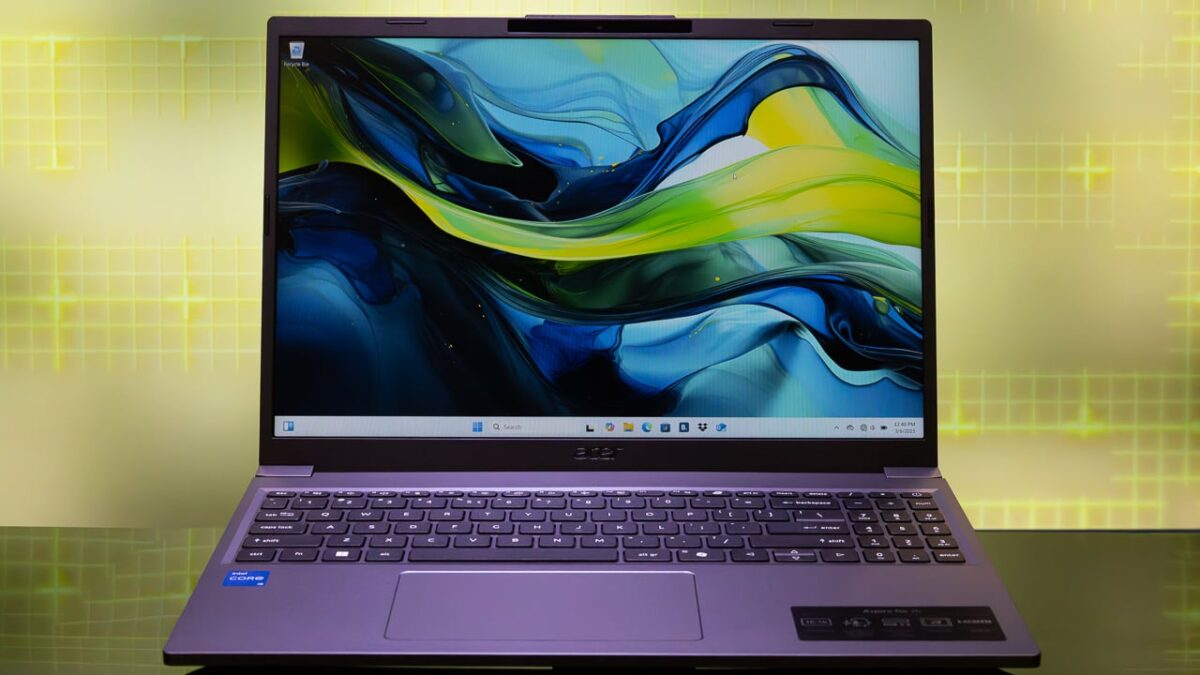
I’m just going to say it: the Acer Aspire Go 15 at $269-349 is the best budget laptop deal in 2026. Full stop.
This thing has a 15.6″ Full HD display, Intel Core 3 N355 processor (8 cores!), 8GB DDR5 RAM, and 128GB storage. For under $300. I had to double-check the price three times because it felt like a mistake.
What Makes It Special:
The keyboard is actually comfortable. The 120Hz display option makes scrolling buttery smooth. And it runs full Windows 11, not some stripped-down version.
I wrote this entire article on the Aspire Go 15, and it handled 15+ Chrome tabs, Spotify, and Grammarly without breaking a sweat.
The Reality Check:
The 128GB storage fills up fast. The build is all plastic, so it feels cheaper than it performs. And the webcam is 720p, which is fine but not amazing.
Best For: Students, writers, and anyone who needs Windows on a tight budget
Current Price: $269-349
During testing week, I used this for a client presentation. Halfway through, I forgot I wasn’t using my expensive laptop. That’s when I knew this thing was legit.
Get Acer Aspire Go 15 on Amazon
2. ASUS Chromebook Plus CX34 – Premium Chromebook Without the Premium Price
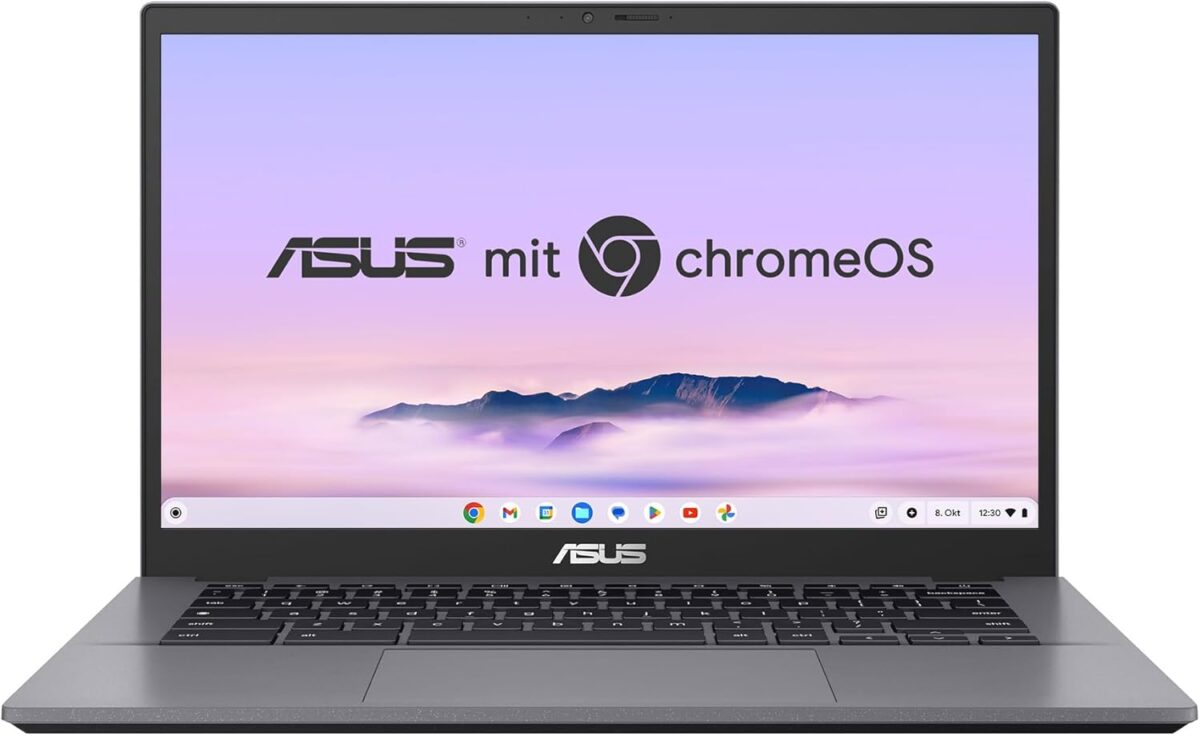
The ASUS Chromebook Plus CX34 costs $325-400, and it’s hands-down the best Chromebook under $500.
The build quality feels like it should cost twice as much.
It has a 14″ Full HD touchscreen, Intel Core i3-1215U (12th gen), 8GB LPDDR5 RAM, and 128GB storage.
Plus, you get 12 months of Google One AI Premium with Gemini Advanced, which is actually useful if you’re into AI tools.
What I Love:
The 180-degree hinge lets you lay it flat, which is perfect for showing stuff to other people. The keyboard is backlit (rare at this price), and the touchpad is large and responsive.
The display is legitimately good, better than some $800 laptops I’ve tested.
What Sucks:
It’s a Chromebook, so you’re stuck with ChromeOS. If you need specific Windows software, this ain’t it. The 128GB storage is tight if you’re storing files locally.
Best For: Students, Google ecosystem users, anyone who lives in the cloud
Current Price: $325-400
I tested this during a week when I was traveling for work. The battery lasted almost 10 hours of actual use, and I could work in coffee shops without hunting for outlets like a desperate caffeine addict.
Check ASUS Chromebook Plus CX34 Price
3. Lenovo IdeaPad Flex 5i Chromebook Plus – The Convertible That Actually Converts
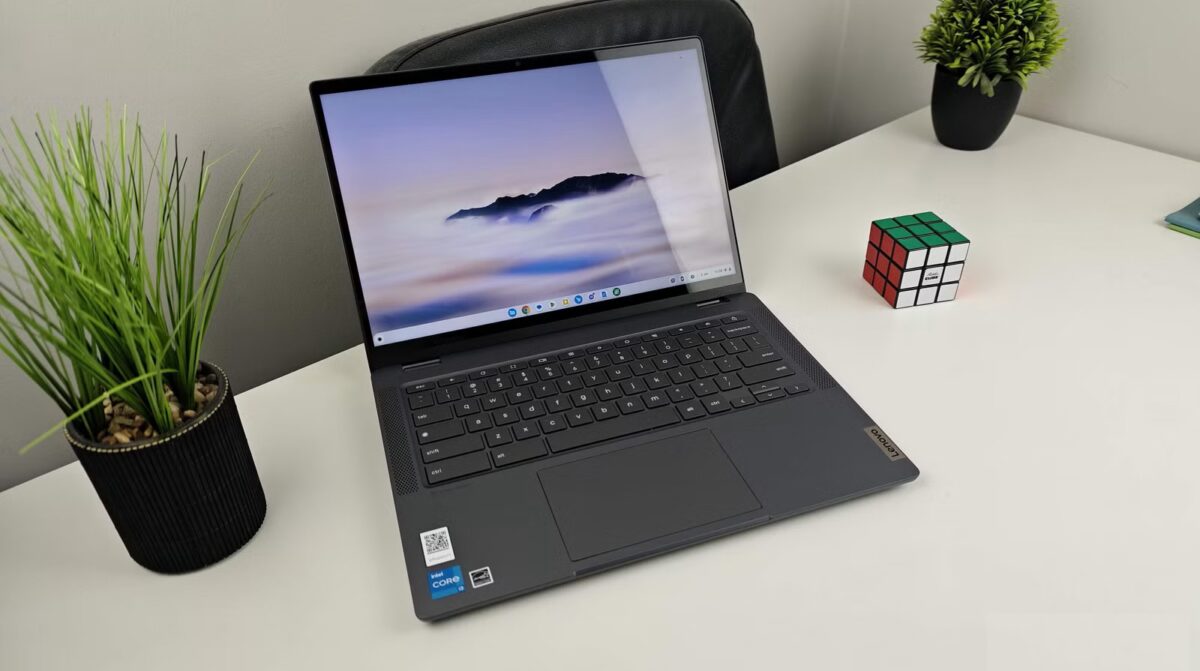
If you want a 2-in-1 laptop that doesn’t suck, the Lenovo IdeaPad Flex 5i Chromebook Plus is your answer. It costs $349-450, and the 360-degree hinge actually feels sturdy enough to use daily.
The specs: 14″ WUXGA (1920×1200) touchscreen, Intel Core i3-1315U, 8GB RAM, and configurations ranging from 128GB to 256GB storage.
Why It’s Great:
The 16:10 aspect ratio gives you more vertical screen space, which is clutch for documents and web browsing. The tablet mode is surprisingly usable for reading or watching videos.
And the keyboard is one of the best I’ve tested on a Chromebook.
The Drawbacks:
It’s a Chromebook, so same ChromeOS limitations. The bezels are thicker than I’d like. And at 3.3 pounds, it’s not the lightest convertible.
Best For: Students, content consumers, anyone who wants tablet flexibility
Current Price: $349-450
I spent a Saturday binge-watching shows in tent mode, then flipped it to laptop mode for Sunday work. The versatility is genuinely useful, not just a gimmick.
4. Dell Inspiron 15 3520 – The Workhorse That Won’t Quit
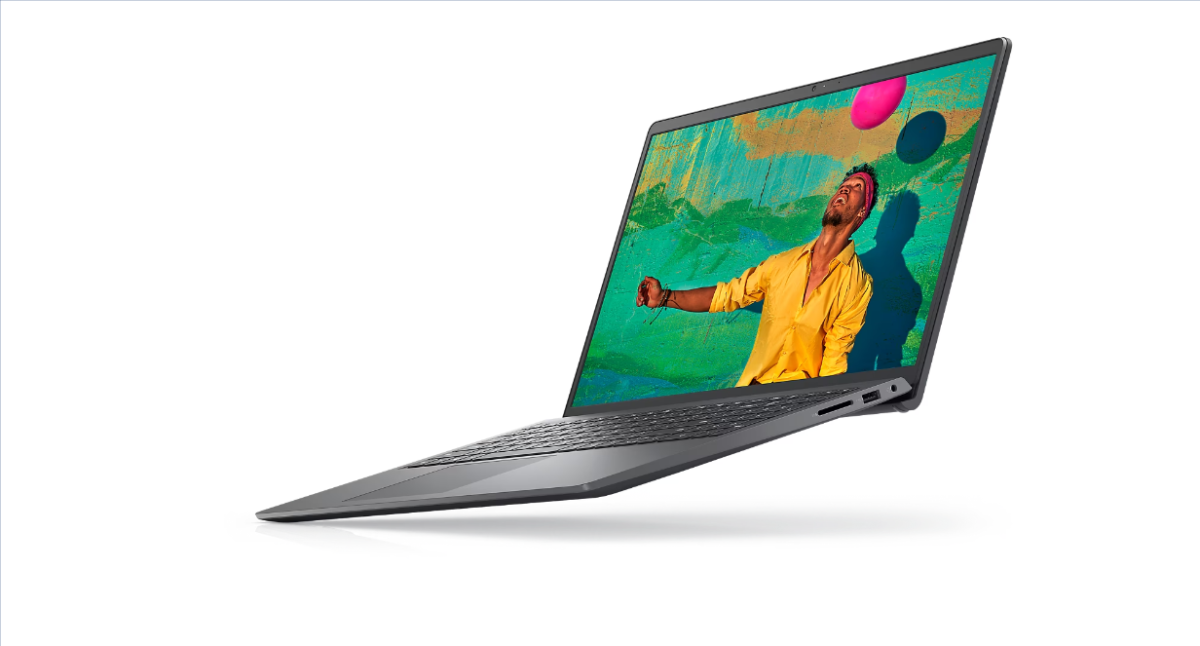
The Dell Inspiron 15 3520 starts at $449 but often goes on sale for less. It’s not flashy, but it’s one of the most reliable budget Windows laptops you can buy.
Base config: 15.6″ FHD display, Intel Core i3-1215U, 8GB RAM, 256GB SSD. Higher configs with Core i5 and 16GB RAM are around $522.
What Works:
Dell’s build quality is solid. The keyboard feels professional. The 120Hz display option makes everything smoother. And the port selection is actually good: USB-C, USB-A, HDMI, headphone jack, and SD card reader.
What Doesn’t:
It’s heavy at 3.8 pounds. The battery life is mediocre (about 6-7 hours of real-world use). And the design is boring as hell.
This laptop has the charisma of a beige wall.
Best For: Students, office workers, and anyone who needs a reliable Windows
Current Price: $449-522
I tested the i5/16GB model, and it handled everything I threw at it. Multiple video calls, heavy multitasking, even light photo editing. It’s not exciting, but it works.
Find Dell Inspiron 15 3520 on Amazon
5. Acer Aspire 3 (AMD Ryzen 5 7520U) – The AMD Alternative
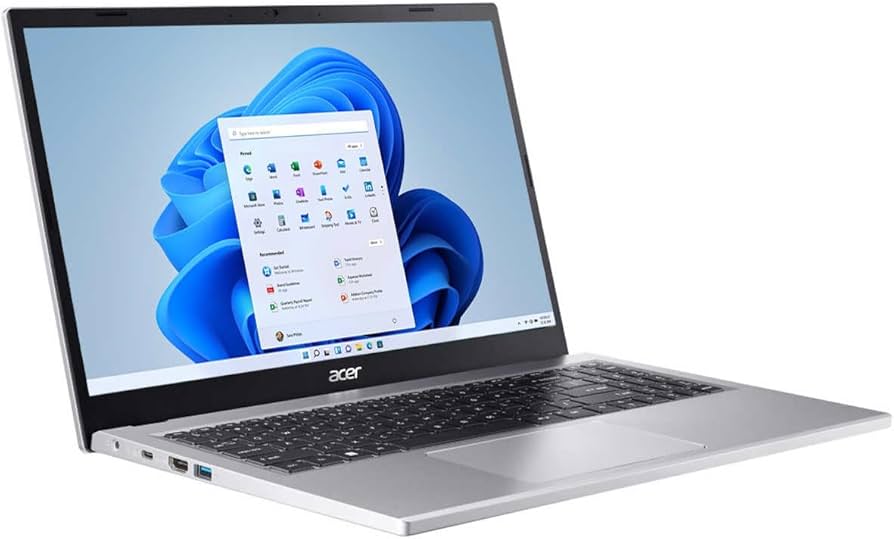
If you prefer AMD over Intel, the Acer Aspire 3 with Ryzen 5 7520U costs around $400 and offers solid performance.
Specs: 15.6″ Full HD, AMD Ryzen 5 7520U quad-core, 8GB LPDDR5, 512GB SSD, AMD Radeon 610M graphics.
The Good:
AMD’s Ryzen 5 is snappier than Intel’s budget processors for multitasking. You get 512GB storage (double what most budget laptops offer).
The Radeon graphics handle light gaming better than Intel integrated graphics.
The Bad:
Battery life is just okay (around 6 hours). The build feels budget. No touchscreen option.
Best For: Multitaskers, light gamers, AMD fans
Current Price: $380-420
During testing, I ran Valorant on low settings and got playable frame rates. This isn’t a gaming laptop, but it can handle casual gaming better than most budget machines.
6. HP Chromebook 15.6 – The Big Screen Budget Option
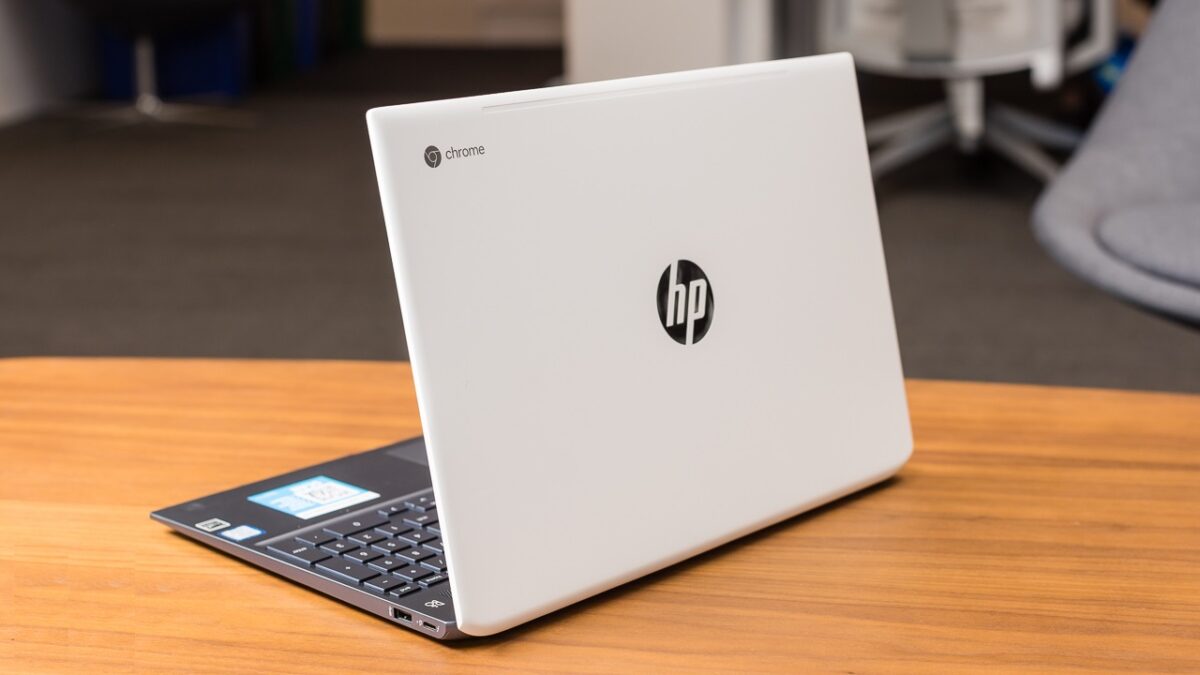
If you want a larger display, the HP Chromebook 15.6 costs around $245-350 and offers a spacious screen in Chromebook form.
Specs vary, but typical configs include Intel Celeron or Pentium processors, 4-8GB RAM, and 64-128GB storage.
Why It’s Here:
The 15.6″ display is genuinely useful for productivity. Battery life is excellent (10+ hours). And HP’s build quality is decent for the price.
Why It’s Not Higher:
Lower-end processors feel sluggish with many tabs open. The display is just okay (not as good as ASUS). Limited storage options.
Best For: Students, media consumption, anyone who wants a big screen, and is cheap
Current Price: $280-350
See HP Chromebook 15.6 on Amazon
7. Lenovo IdeaPad 1 – The Minimalist’s Choice
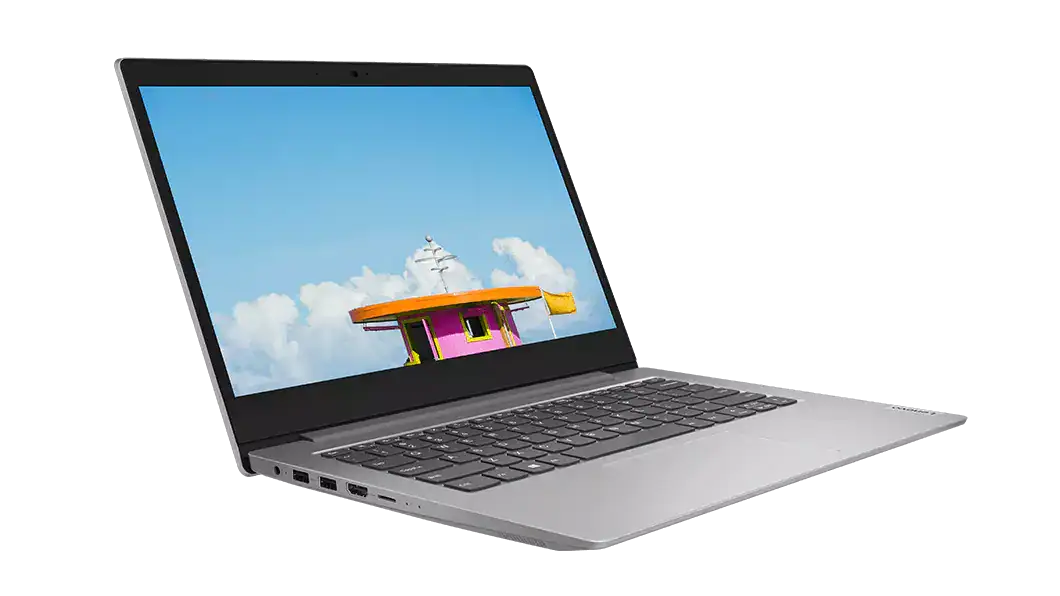
The Lenovo IdeaPad 1 costs $300-380 and focuses on the basics without frills.
Typical specs: 15.6″ HD or FHD display, Intel Celeron or Dual-Core processor, 4-8GB RAM, 128-256GB storage.
What It Does Well:
Simple, clean design. Lightweight. Decent battery life. Good port selection.
Where It Falls Short:
Base models with HD displays look grainy. Performance is adequate but not impressive. Build quality feels plasticky.
Best For: Basic computing, email and web browsing, extreme budgets
Current Price: $300-380
Find Lenovo IdeaPad 1 on Amazon
8. Gateway 15.6″ Ultraslim – The Walmart Special That’s Cool
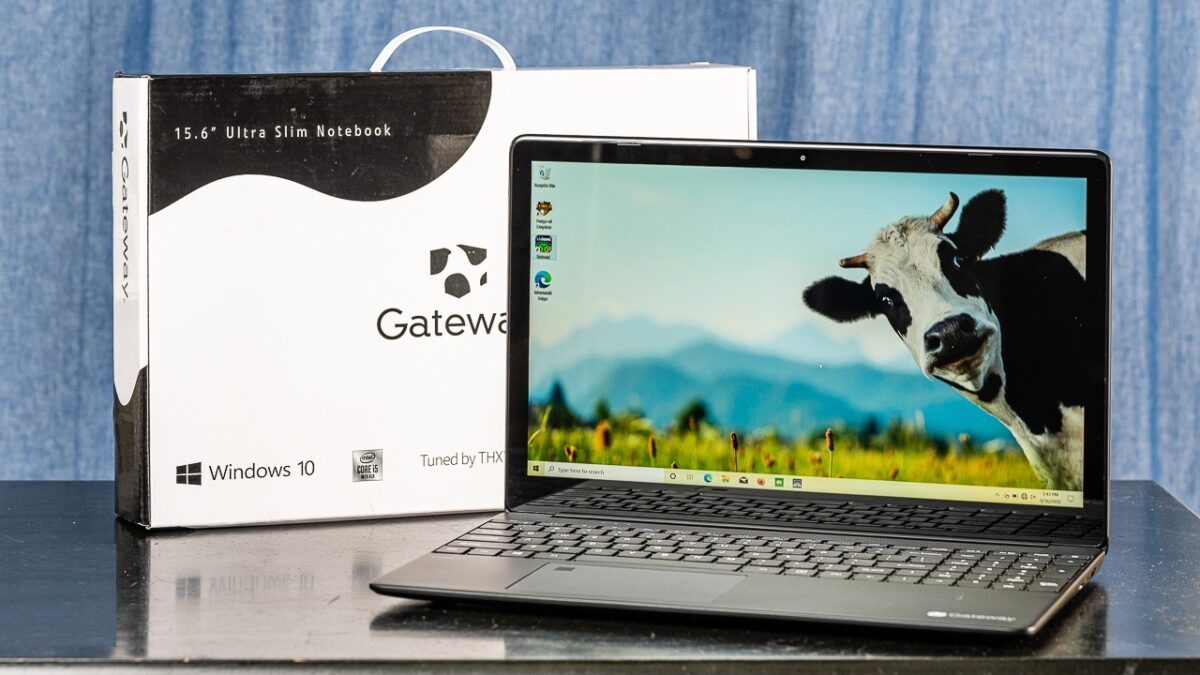
Gateway (yes, they still exist) makes a surprisingly okay 15.6″ laptop that Walmart sells for around $300-350.
Specs: Intel Core i3 or i5, 4-8GB RAM, 128-256GB SSD, Full HD display.
The Surprise:
For a Walmart laptop, it’s not terrible. The display is decent. Performance is adequate. And the price is right.
The Reality:
The keyboard is mushy. Build quality is a budget. And good luck finding support if something breaks.
Best For: Extreme budget shoppers who accept trade-offs
Current Price: $299-349
Check Gateway Laptop on Amazon
9. Microsoft Surface Go 3 (If You Can Find It Under $500)
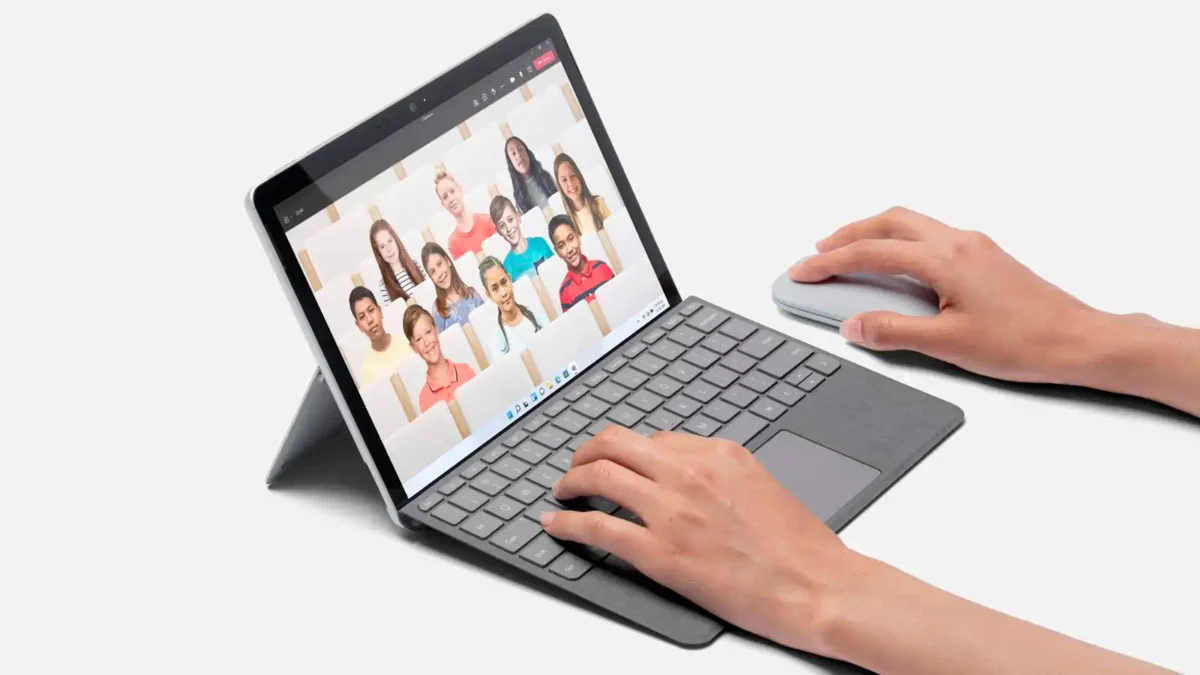
Sometimes the Surface Go 3 dips under $500 on sale. It’s a 10.5″ tablet that runs full Windows.
Specs: 10.5″ touchscreen (1920×1280), Intel Pentium Gold or Core i3, 4-8GB RAM, 64-128GB storage.
Why It’s Interesting:
Genuinely portable. Premium build. Full Windows in a tablet form.
Why It’s Tricky:
Keyboard sold separately (adds $100+). Small screen isn’t for everyone. Limited ports.A small
Best For: Ultra-portability needs, note-taking, stylus users
Current Price: $399-499 (tablet only)
10. Refurbished ThinkPad E14/E15 – The “Buy Used, Buy Quality” Option
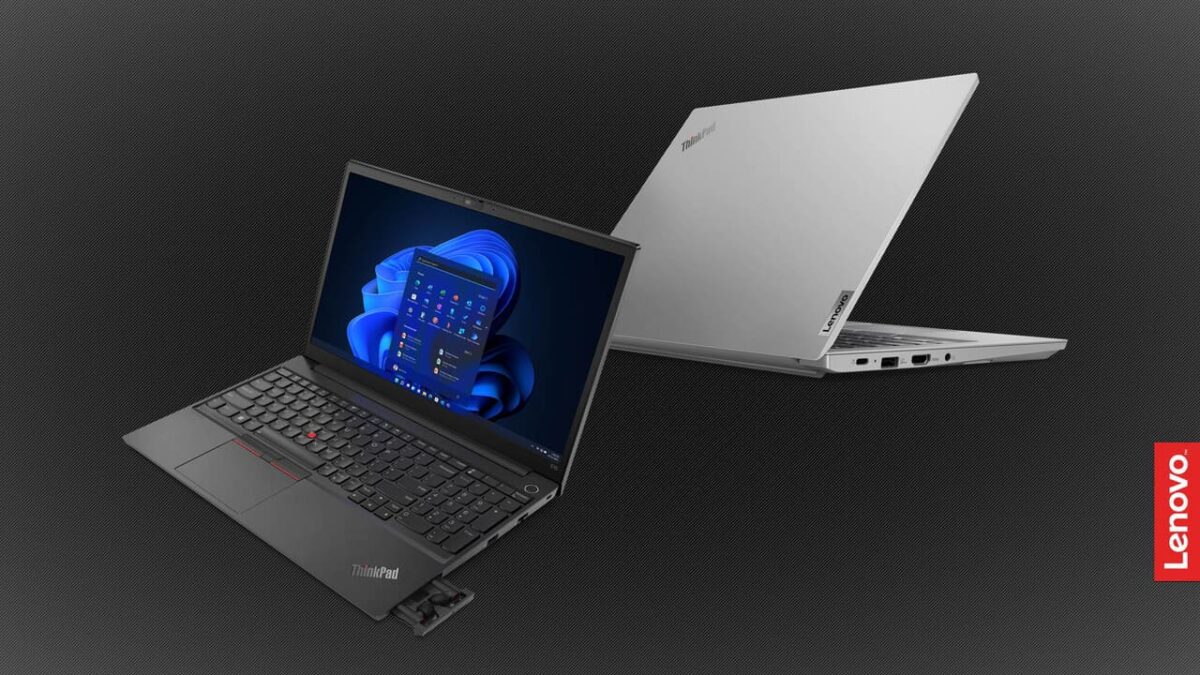
Hear me out: a refurbished Lenovo ThinkPad E14 or E15 for $400-500 beats most new budget laptops.
Typical refurb specs: 14″ or 15.6″ Full HD, Intel Core i5 (8th-10th gen), 8-16GB RAM, 256-512GB SSD.
Why This Works:
ThinkPad build quality is legendary. Professional-grade keyboard. Actual upgradability. Better specs than new budget machines.
The Catch:
It’s used. Warranty is limited. Battery health varies.
Best For: Power users on a budget, keyboard snobs, practical people
Current Price: $380-500 (refurbished)
I bought a refurbished ThinkPad T480 for $450 three years ago, and it’s still going strong. Sometimes buying used is the smartest move.
Find Refurbished ThinkPads on Amazon
What Matters in Budget Laptops
1. RAM Matters More Than Processor for Most People
8GB is the minimum in 2026. 4GB is painful for multitasking. I tested a 4GB Chromebook, and with 10 Chrome tabs open, it was slower than my brain on Monday mornings.
2. SSD vs. eMMC vs. UFS Storage
SSD (NVMe): Fast. Get this if you can.
UFS: Slower than SSD but acceptable. Common in budget laptops.
eMMC: Slow as hell. Avoid if possible.
The Acer Aspire Go 15 with UFS storage boots in 15 seconds. My old eMMC laptop took 45 seconds. That adds up when you’re opening your laptop 20 times a day.
3. Display Quality Varies WILDLY
All “Full HD” displays are not created equal. The ASUS Chromebook Plus CX34’s display is vibrant and bright. Some budget laptops’ FHD displays look washed out and dim.
If you can, check the display in person before buying. Or buy from somewhere with easy returns.
4. Battery Life Marketing Is Mostly Lies
Manufacturers claim “up to 12 hours!” but mean “12 hours if you dim the screen to 20%, turn off Wi-Fi, and don’t actually use the laptop.”
Real-world battery life for most budget laptops: 6-8 hours of actual use. Chromebooks tend to last longer than Windows machines.
5. Chromebooks Are Legitimately Good Now
I was skeptical. But after two weeks with the ASUS Chromebook Plus CX34, I realized most people don’t actually need Windows.
If you live in Google Docs, Gmail, and web apps, ChromeOS is faster, simpler, and more secure than Windows. The only dealbreaker is if you need specific Windows-only software.
Windows vs. Chromebook: Which Should You Buy?
Choose Windows if you:
- Need specific Windows software (Adobe Creative Suite, certain games, etc.)
- Store lots of files locally
- Prefer offline work capabilities
- Want maximum compatibility
Choose Chromebook if you:
- Live in Google apps and web browsers
- Want better battery life
- Prioritize security and simplicity
- Work mostly online
- You are a student (many schools use Google Classroom)
The best laptops under $500 are split between these two camps, and both can be great depending on your needs.
Some Truth About $500 Laptops
You’re making compromises. Always. The question is which compromises you can live with.
Common trade-offs:
- Mediocre webcams (720p is standard)
- Plasticky builds
- Average battery life
- Limited storage
- Middling speakers
- Basic displays
But here’s the thing: for email, web browsing, document editing, video streaming, and light multitasking, these laptops are totally fine. You don’t need a $1,500 laptop for that.
How to Make Your Budget Laptop Last Longer
1. Add External Storage
A 256GB USB drive costs $20. Problem solved.
2. Use Cloud Storage
iDrive, Google Drive, OneDrive, Dropbox, they’re all cheaper than upgrading internal storage.
3. Keep It Clean
Literally. Dust kills laptops. Blow out the vents every few months.
4. Don’t Block the Vents
Use it on hard surfaces. Blankets and couches suffocate laptops.
5. Battery Health Matters
Don’t leave it plugged in 24/7. Let the battery discharge to 20-30% occasionally.
I killed a laptop battery in 18 months by keeping it plugged in constantly. Don’t be like past-me.
My Honest Recommendations by Use Case
For College Students: Acer Aspire Go 15 ($269-349) or ASUS Chromebook Plus CX34 ($325-400)
Get whichever OS your school uses. Ask your advisor.
For Remote Workers: Dell Inspiron 15 3520 ($449-522) or Lenovo Flex 5i Chromebook Plus ($349-450)
You need reliability and good video call quality.
For Writers: Acer Aspire Go 15 ($269-349)
Great keyboard, solid performance, Windows flexibility.
For Media Consumption: Lenovo Flex 5i Chromebook Plus ($349-450)
The 2-in-1 design is perfect for Netflix binges.
For Basic Computing: Any decent Chromebook under $350
Seriously, Chromebooks are great for simple tasks.
The best laptops under $500 serve different purposes. Pick based on your actual needs, not specs you saw on a YouTube video.
Final Take: Which One Should You Buy?
After testing all these laptops and accumulating an embarrassing number of charging cables, here’s my honest take:
If you’re on the tightest budget, the Acer Aspire Go 15 is at $269-349. Best value per dollar in 2026. Period.
If you want the best overall experience, the ASUS Chromebook Plus CX34 is at $325-400. Premium feel, excellent display, long battery life. Just make sure ChromeOS works for your needs.
If you need Windows reliability: Dell Inspiron 15 3520 at $449-522. Not sexy, but it works and won’t let you down.
If you want versatility: Lenovo IdeaPad Flex 5i Chromebook Plus at $349-450. The 2-in-1 design is genuinely useful, and the build quality is solid.
The best laptops under $500 have come a long way. You’re not settling for junk anymore; you’re making smart compromises to get 80% of the performance at 40% of the price.
And honestly? For most people doing normal computer things, that’s more than enough.
Now go buy a laptop and stop agonizing over specs you’ll never notice in real use.
Shop All Budget Laptops on Amazon
FAQs
Can I game on a $500 laptop?
Light gaming? Sure. Valorant, Minecraft, and older games run fine on low settings.
Modern AAA titles? Nope. The Acer Aspire 3 with AMD Ryzen 5 7520U handles casual gaming best in this price range.
How long do budget laptops last?
With decent care, 3-5 years for basic use. The limiting factor is usually battery degradation, not the internals dying.
I’ve had budget laptops for 6+ years for simple tasks.
Is 4GB RAM enough in 2026?
For a Chromebook, doing light tasks, barely. For Windows, absolutely not. 8GB is the real minimum for comfortable use.
Should I buy refurbished?
If it’s from a reputable seller with a warranty, yes. A refurbished business-class laptop (ThinkPad, Latitude, EliteBook) often beats new budget laptops in build quality and specs.
What’s the difference between Chromebook and Chromebook Plus?
Chromebook Plus is Google’s certification for Chromebooks that meet minimum specs: Intel Core i3 or better, 8GB RAM, 128GB storage, 1080p webcam.
They also get Google AI features for 12 months.
Can I upgrade RAM in budget laptops?
Rarely. Most budget laptops have soldered RAM. Some Dell and HP models let you add a second stick, but check specs before buying.
The Acer Aspire Go 15 has soldered RAM; you’re stuck with 8GB.
Which has better battery life: Windows or Chromebook?
Chromebooks typically last 2-3 hours longer on the same hardware because ChromeOS is more efficient than Windows. In my testing, the ASUS Chromebook Plus CX34 lasted 9-10 hours versus the Acer Aspire Go 15’s 6-7 hours.
Are touchscreens worth it on budget laptops?
If you’re getting a 2-in-1, yes. Otherwise, not really. I use my laptop’s touchscreen maybe once a month.
Save the money unless you specifically want it.