SEO Is not Dead… that’s Why You are Still Googling This?

The reports of SEO’s death have been greatly exaggerated – here’s why you shouldn’t believe the hype
So here’s the thing about why SEO is not dead – I’ve been hearing this nonsense ‘SEO is Dead’ for like five years now, and yet here you are, probably finding this article through… wait for it… Google search.
Ironic much?
Last month, I was at this coffee shop (okay, fine, it was a wine bar – don’t judge me), and I overheard two guys arguing about whether SEO still works.
One dude was all “SEO is completely dead, man. It’s all about TikTok now!” Meanwhile, the other guy was frantically taking notes on his phone about “keyword research strategies.”
Guess which one looked more stressed about his business? Exactly!
The “SEO Is Dead” Crowd Keeps Getting Louder (And Wronger)
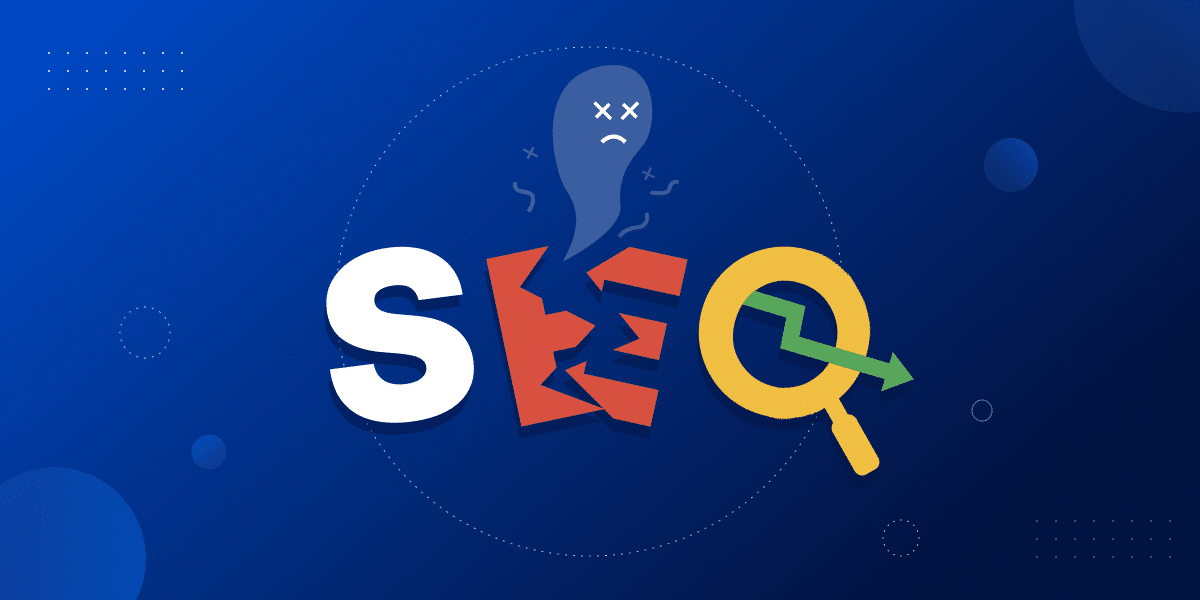
If you type “SEO is dead” on platforms where conversations happen, like Reddit, it will appear more than your ex’s texts after a breakup, the number of times I’ve told my cat “no,” or the collective sighs of everyone stuck in traffic on a Monday morning.
Look, I get it. Every time Google releases an algorithm update, some marketing guru somewhere declares that SEO has finally kicked the bucket.
It’s like the boy who cried wolf, except the wolf is supposedly search engine optimization and the boy is… well, probably selling a course on social media marketing.
I’ve watched this cycle more times than I care to count:
- In 2018, it was “voice search will kill SEO.”
- In 2020, it was “AI will replace SEO.”
- In 2022, it was “ChatGPT means SEO is finished.”
- And now in 2026? People are still saying the same damn thing.
But here’s what happened to my traffic when I stopped listening to the noise and doubled down on proper SEO.
My blog went from 2,000 monthly visitors to over 45,000 in eighteen months.
Not because I cracked some secret code, but because I treated SEO like what it actually is – a way to help people find helpful content when they need it. Simple
Why People Think SEO Is Dead, Whereas SEO Is Not Dead

The Old-School SEO Playbook Doesn’t Work Anymore
Remember when you could stuff keywords into your content like you were making a Thanksgiving turkey?
Yeah, those days are long gone, and thank God for that. The people claiming SEO is dead are usually the ones still trying to game the system instead of, you know, actually helping people.
I learned this by making a lot of mistakes when I first started blogging. I had this brilliant idea to rank for “best AI blogging tools” by mentioning it 47 times in a 500-word article.
The result? My content read like it was written by a robot having a caffeine-induced breakdown.
Google Actually Got Smarter (Who Knew?)
Here’s something that’ll blow your mind: Google’s algorithm can now understand context, intent, and even detect when your content is genuinely helpful versus when you’re just trying to manipulate rankings.
The E-A-T framework (Expertise, Authoritativeness, Trustworthiness) isn’t just some fancy acronym – it’s Google’s way of saying, “Hey, maybe we should prioritize content from people who know what they’re talking about.”
The Real Reason SEO Isn’t Going Anywhere
People Still Search for Stuff (Revolutionary, I Know)
I wrote about blogging is not dead, SEO too is not going anywhere anytime soon. Regularly, I check my Google Search Console, and you know what I found? People are still typing questions into that little search box. Weird, right?
They’re searching for:
- “How to fix my slow WordPress site”
- “Best SEO agencies to work with”
- “Why does my cat stare at me like that?”
- “Is SEO really dead” (meta, much?)
As long as people have questions, there will be search engines. And as long as there are search engines, there will be SEO.
The Numbers Don’t Lie
According to recent data from Ahrefs, Google processes over 13.7 billion searches per day.
That’s billion with a B. Even if social media and AI take over some of that traffic, we’re talking about a massive pie here.
My friend runs a small bakery, and she was convinced that Instagram was all she needed for marketing. Then she optimized her Google My Business listing and started ranking for “best cupcakes in [her city].” Her weekend orders tripled.
Sometimes the simple stuff works better than the shiny new tactics.
What Modern SEO Looks Like

It’s About Helping People, Not Gaming Algorithms
Current SEO isn’t about tricking Google – it’s about understanding what your audience needs and delivering it better than anyone else.
When I write content now, I’m not thinking “How can I rank for this keyword?” I’m thinking, “How can I solve this person’s problem completely?”
This shift in mindset changed everything for me.
Instead of writing surface-level content to hit keyword targets, I started creating comprehensive guides based on questions I get from readers.
Technical SEO Still Matters (Sorry, It’s Not Going Away)
Your website still needs to load fast, work on mobile, and not make people want to throw their phones across the room.
Core Web Vitals aren’t just Google’s way of torturing web developers – they’re measurements of user experience.
I use tools like PageSpeed Insights and GTmetrix to monitor my site’s performance. Not because I’m obsessed with perfect scores, but because slow websites annoy the hell out of people.
And annoyed people don’t stick around to read your content.
Content Quality Is King (But Distribution Is Queen)
Creating amazing content is only half the battle. You also need to make sure people can find it.
This means:
- Writing clear, descriptive titles that people want to click
- Structuring your content so it’s easy to scan and digest
- Using relevant keywords naturally (not like you’re trying to hit a quota)
- Building genuine relationships with other creators in your space
Tools That Work in 2026
Keyword Research That Makes Sense
I use Semrush (after ditching Ahrefs) for serious keyword research, but Google’s Keyword Planner is still free and surprisingly useful.
The key is looking for search terms that real people use, not just high-volume keywords that sound impressive.
Content Optimization Without the Headache
Surfer SEO helps me optimize content without turning it into keyword soup. Whereas I still use Frase.io, these tools are amazing.
They analyze top-ranking pages and suggest improvements based on what’s working, not what worked five years ago. You catch my drift?
Monitoring That Won’t Drive You Insane
Google Search Console is free and tells you everything you need to know about how your content is performing.
I check it weekly, not daily, because obsessing over rankings is a great way to lose your mind.
The Biggest SEO Mistakes I See People Making
Chasing Trends Instead of Solving Problems
Every few months, someone discovers a new “SEO hack” that promises instant results.
Usually, it’s something like “add this one weird schema markup” or “use this specific word density formula.”
Here’s the truth: there are no shortcuts.
The websites that consistently rank well focus on consistently helping their audience. It’s not sexy, but it works.
Ignoring Search Intent
Just because you can rank for a keyword doesn’t mean you should. If someone searches for “best running shoes” and you’re selling hiking boots, trying to rank for that term is a waste of everyone’s time.
I learned this lesson when I tried to rank for “blogging tips” with an article about content management systems.
The traffic I got had a 90% bounce rate because people weren’t finding what they expected.
Thinking SEO Is a One-Time Thing
SEO isn’t something you do once and forget about. It’s an ongoing process of creating helpful content, monitoring performance, and adapting to changes in your industry and audience needs.
I spend about 20% of my content creation time on SEO research and optimization.
Not because I’m obsessed with rankings, but because I want to make sure my content reaches the people who need it most.
Why SEO Will Outlive TikTok (And Whatever Comes Next)
Search Behavior Is Fundamental Human Nature
People have been asking questions and seeking answers since… well, since people existed. The medium might change (books, libraries, search engines, AI assistants), but the fundamental behavior remains the same.
Google Isn’t Going Anywhere
Despite all the talk about AI replacing search, Google’s still processing billions of queries daily. Even if their results pages change (I am talking to you, AI overview), the underlying principle of matching queries with relevant content will remain.
SEO Skills Transfer to Other Platforms
Understanding keyword research, content optimization, and audience intent helps you succeed on any platform.
The SEO mindset – focusing on what your audience needs and delivering it effectively – works whether you’re writing blog posts, creating videos, or posting on social media.
The Future of SEO (Spoiler: SEO Is Not Dead)
AI Will Change SEO, Not Kill It
AI tools like ChatGPT, Claude, and Google’s Gemini are changing how people search for information, but they’re not eliminating the need for high-quality, trustworthy content.
If anything, they’re making it more important to establish expertise and authority in your niche.
Voice Search and Visual Search Are Growing
More people are using voice assistants and visual search tools, but these still rely on the same fundamental SEO principles: understanding user intent and providing relevant, helpful content.
Local SEO Is Becoming More Important
As people increasingly search for local businesses and services, local SEO strategies become more valuable. This is especially true for small businesses that serve specific geographic areas.
What You Should Do Right Now
Instead of worrying about whether SEO is dead, focus on these fundamentals:
- Create content that genuinely helps your audience. This sounds obvious, but most people skip this step in favor of keyword optimization tricks.
- Make sure your website doesn’t suck. Fast loading times, mobile responsiveness, and clear navigation aren’t just SEO best practices – they’re basic user experience requirements.
- Build relationships with real people. The best SEO strategy is still creating something valuable enough that others want to link to it and share it.
- Stay informed, but don’t chase every trend. Follow reputable SEO resources like Search Engine Land and Moz (Don’t forget Blog Recode 😉), but don’t abandon your strategy every time someone claims to have discovered a new “secret.”
My Take: The Reports of SEO’s Death Have Been Greatly Exaggerated
So, is SEO dead? About as dead as email marketing, content marketing, and every other digital strategy that someone’s declared “finished” over the years.
The truth is, SEO evolves. SEO is not dead.
What worked in 2015 doesn’t work in 2026, and what works today might not work in 2030. But the core principle – helping people find relevant, helpful content when they need it – isn’t going anywhere.
If you’re still googling “is SEO dead,” you already know the answer. You’re using search engines to find information, which means other people are too. And as long as people are searching, there will be opportunities for smart content creators to connect with their audience through search optimization.
The key is focusing on sustainable, helpful SEO practices rather than chasing quick fixes or following the latest guru’s “revolutionary” system.
Because at the end of the day, good SEO is just good content marketing with a better understanding of how people find information online.
Now, if you’ll excuse me, I need to go optimize this article for search engines. You know, because SEO is totally dead and all that.
FAQs
1. Is SEO really dead in 2026?
No, SEO is not dead. While it’s evolved significantly, people still use search engines billions of times daily. The fundamentals of helping people find relevant content haven’t changed, even if the tactics have.
2. What’s the biggest change in SEO recently?
Google’s increased focus on content quality, user experience, and expertise. The algorithm is better at detecting genuinely helpful content versus content created just to manipulate rankings.
3. Should I stop doing SEO and focus on social media instead?
Don’t abandon SEO, but don’t ignore social media either. A balanced approach that includes both search optimization and social media marketing typically works best for most businesses.
4. What’s the most important SEO factor in 2026?
Content quality and user experience. Technical SEO still matters, but Google prioritizes content that genuinely helps users solve their problems or answer their questions.
5. How long does it take to see SEO results?
Typically 3-6 months for new content, but this varies widely based on competition, content quality, and your website’s existing authority. Consistency is more important than speed.
6. Are keywords still important for SEO?
Yes, but not in the old “stuff them everywhere” way. Use keywords naturally in your content, focus on search intent, and prioritize semantic keywords that relate to your main topic.
7. Should I hire an SEO agency or do it myself?
Depends on your budget, time, and expertise. Basic SEO can be learned and implemented by most content creators, but complex technical SEO might require professional help.
8. What’s the difference between old SEO and modern SEO?
Old SEO focused on gaming the algorithm with keyword stuffing and link schemes. Modern SEO focuses on creating genuinely helpful content and providing excellent user experiences.
9. Will AI replace SEO?
AI will change how SEO works, but it won’t eliminate the need for high-quality, trustworthy content. If anything, AI makes it more important to establish expertise and authority in your niche.